Montclair Downzones Fourth Ward Neighborhood Amid Gentrification Concerns

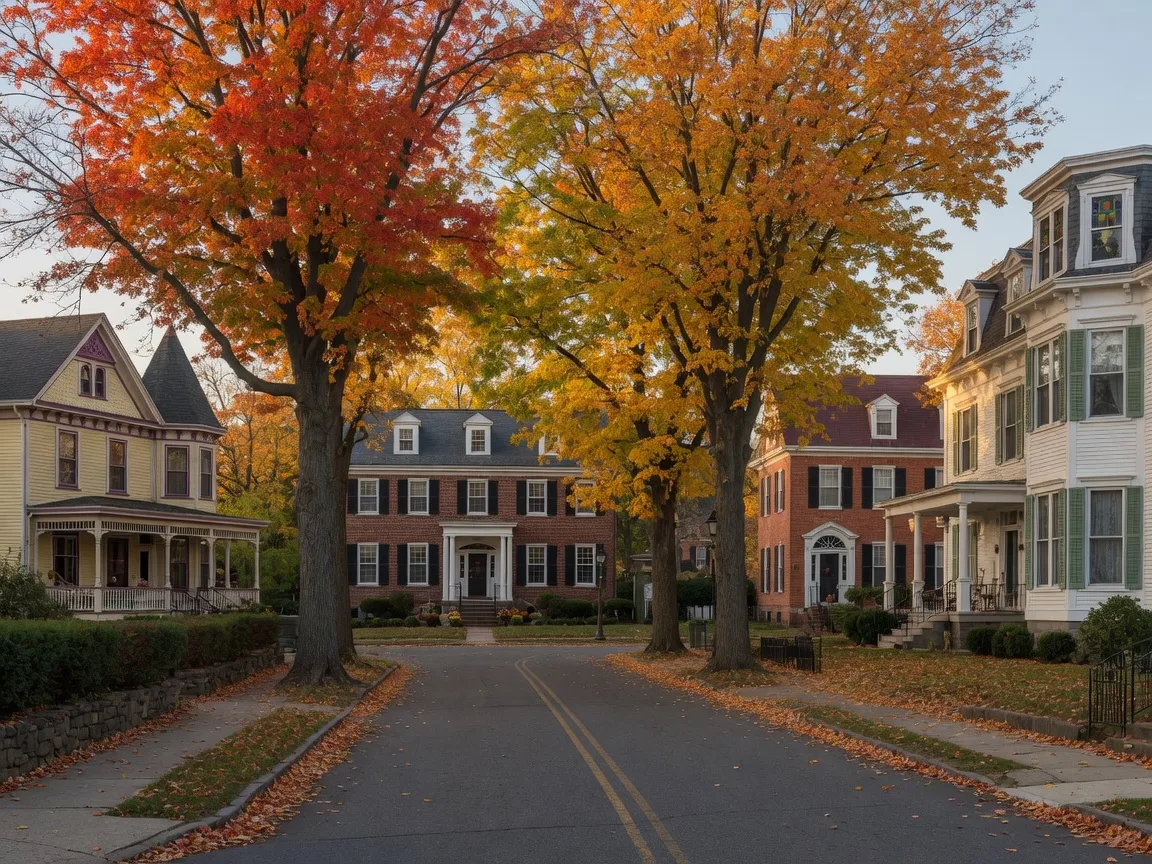
Montclair's Township Council voted 4-2 on May 5, 2026 to downzone a neighborhood in the Fourth Ward near Bloomfield Avenue, limiting new building heights to a maximum of three stories. The decision was driven by concerns about overdevelopment, gentrification, and the displacement of long-term residents – particularly the town's declining African-American population.
If you own property in or near the Fourth Ward, or you're thinking about buying in Montclair, this zoning change matters. Here's what happened, why it's significant, and what it could mean for homeowners and buyers.
What the council decided
The Fourth Ward neighborhood in question sits near Bloomfield Avenue – one of Montclair's busiest corridors and a boundary line that has historically separated very different parts of town. Under the previous zoning, buildings up to six stories (or roughly 55 units per acre) were permitted in certain areas of the ward. The new rules cap new construction at three stories.
The vote came after months of community input and debate. Fourth Ward Councilor Aminah Toler was among the leading voices in favor of the change, noting that Montclair's Black population has dropped significantly this century. She and other supporters argued that unchecked development density would accelerate displacement of the residents who've lived in the Fourth Ward for generations.
Why this zoning change matters
Downzoning isn't something Montclair does lightly. The town has been actively encouraging transit-oriented development and mixed-use projects near its train stations – the Lackawanna Plaza redevelopment, for example, is approved for up to 300 residential units. But the Fourth Ward is different. It's a residential neighborhood with smaller lots, older homes, and a community that feels strongly about preserving its character.
The decision effectively signals that not every part of Montclair is open to high-density development. It's a balancing act the town has been wrestling with for years: how to add housing and support growth without pushing out the people who make the neighborhood what it is.
What this means for homeowners
If you own property in the Fourth Ward or the surrounding area near Bloomfield Avenue, the downzoning could affect your property in a few ways:
- Development limits protect neighborhood character. Three-story caps mean you're less likely to see a six-story apartment building going up next door. For homeowners who value the scale and feel of their neighborhood, that's reassuring.
- Existing properties aren't affected. Downzoning applies to new construction. Your existing home or building isn't suddenly non-conforming – you can still renovate, add to, or sell your property as-is.
- Property values could stabilize. In neighborhoods where overdevelopment is a concern, downzoning can help maintain the residential character that drives home values. It's one of the tools towns use to keep neighborhoods from changing too quickly.
What this means for buyers
If you're looking at homes in Montclair's Fourth Ward, the downzoning tells you something important about the direction of the neighborhood. The community and local government are actively invested in preserving its character. That's a good sign for long-term value and livability.
It also means you're less likely to see the kind of rapid, high-density development that can change a neighborhood's feel overnight. The Fourth Ward will continue to evolve, but at a pace that respects the people who already live there.
The bigger picture
Montclair has approved some significant development projects in recent years – the Lackawanna Plaza PILOT, the 260 Park Street mixed-use project, and the affordable housing plan all point to a town that's growing. But the Fourth Ward downzoning shows that growth doesn't have to mean one-size-fits-all development. Different neighborhoods have different needs, and zoning is one of the tools that allows a town to respond to that.
For anyone navigating the Montclair real estate market, understanding these zoning dynamics is important. They affect what gets built, where it gets built, and ultimately what your neighborhood looks and feels like in the years ahead.
The bottom line
Montclair's Fourth Ward downzoning is a meaningful decision that reflects real community input. It limits new building heights to three stories in a neighborhood where six stories were previously allowed – and it does so in response to legitimate concerns about gentrification and displacement.
If you're a homeowner in the area, the change is protective rather than disruptive. If you're a buyer, it signals a neighborhood with active community engagement and a commitment to preserving its character.
I'm always happy to talk through what's happening in Montclair's neighborhoods – the zoning, the development projects, and the market. No pressure – just honest information to help you make a smart decision.
Sources
This story is based on reporting by Montclair Local and Montclair Local – MontClairVoyant (May 2026).
Have a tip about local development?
I cover local real estate and development news across Bloomfield, West Orange, Montclair, and Essex County. If you hear about new construction, zoning changes, or neighborhood issues, I'd love to hear about it.