Homeowner's Insurance in Essex County NJ: What Buyers Need to Know After the July 2026 Storms
By Sorelle Crooks, Realtor® | Real Broker LLC | NJ License #2185837
Published August 6, 2026
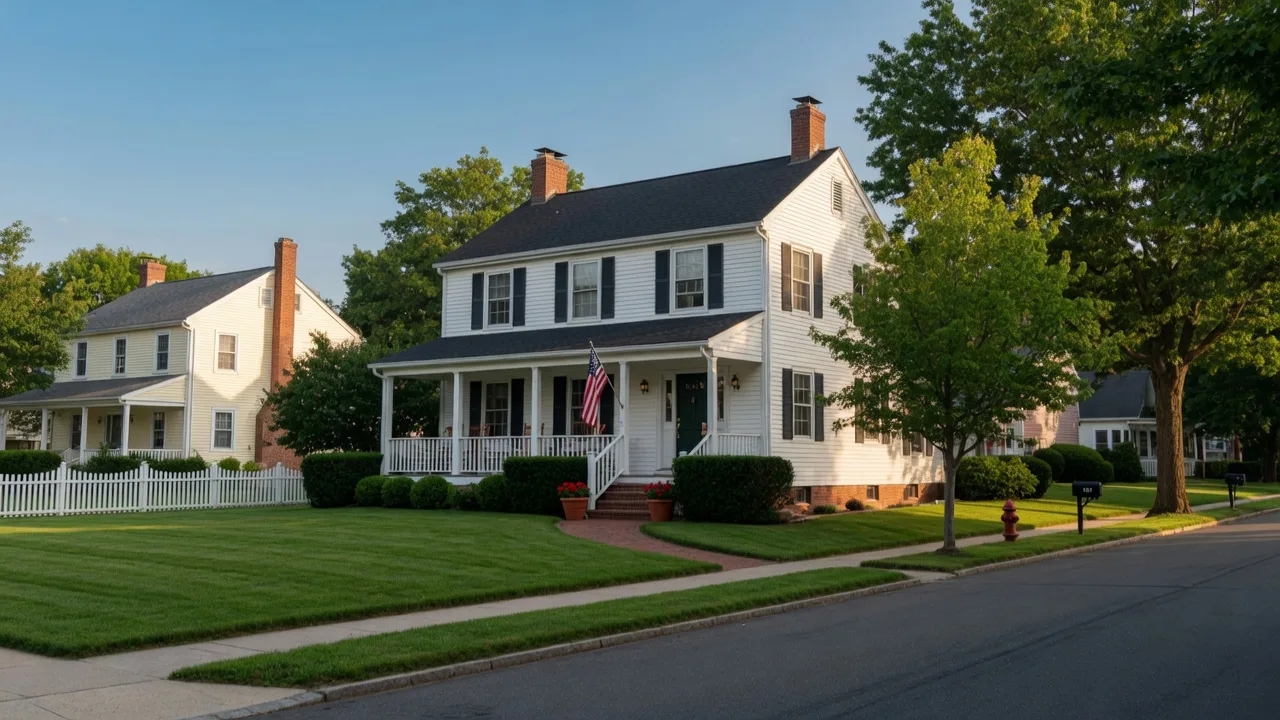
If you're a first-time homebuyer looking at homes in Essex County right now, you've probably heard about the severe storms that hit the area from July 4 to 8, 2026. They brought heavy rain, strong winds, and localized flooding to parts of Bloomfield, West Orange, Montclair, and surrounding towns. And if you're coming from New York City, where many buyers rent and don't carry homeowner's insurance, the whole topic can feel unfamiliar.
Here's what I want you to know: homeowner's insurance in New Jersey is not as expensive as you might think, but understanding what it covers and doesn't cover is essential before you make an offer. Let me walk you through the basics, the costs, what changed after the July storms, and what questions to ask your lender and your agent before you close.
- Average cost: New Jersey homeowners insurance averages $1,200 to $1,506 per year for $300K in dwelling coverage. Some insurers (like NJM) offer rates as low as ~$966/year.
- Flood insurance is separate: Standard homeowner's policies do NOT cover flood damage. If you're in a FEMA flood zone, your mortgage lender will require it. NFIP flood insurance in NJ averages $953/year.
- Rising costs: The average NJ homeowners policy rose from $1,194 in 2025 to $1,480 in 2026. Extreme weather events are one driver, but NJ rates are still below national average.
- Key tip: Shop around. Premiums vary dramatically by insurer for the same coverage. NJM, State Farm, and Selective are among the most competitive in NJ.
What does homeowners insurance actually cover?
If you're a first-time buyer, here's a quick primer. A standard homeowner's insurance policy (often called an HO-3 policy) typically covers:
- Dwelling coverage: Repairs or rebuilding if your home is damaged by fire, wind, hail, lightning, or other covered perils.
- Other structures: Detached garages, sheds, fences.
- Personal property: Your belongings inside the home (furniture, electronics, clothing).
- Liability protection: If someone is injured on your property and sues you.
- Additional living expenses: If your home is uninhabitable during repairs.
The key thing to understand is what is not covered by a standard policy: flood damage, earthquake damage, and normal wear and tear. Flood insurance, in particular, is a separate policy entirely and is required by your mortgage lender if you're buying a home in a FEMA-designated flood zone.
How much does homeowners insurance cost in Essex County?
New Jersey's average homeowners insurance premium is roughly $1,200 to $1,506 per year, depending on which source you look at. That works out to about $100 to $126 per month. Compared to the national average of around $2,300 per year, New Jersey is actually below average, which surprises a lot of buyers.
The exact cost depends on several factors: the home's age and construction, its location, the coverage amount, your credit score, and your deductible. An older home in a historic district may cost more to insure than a newer construction home. A home in a flood-prone area will require additional flood insurance. In Essex County, rates can run a bit higher in urban areas like Newark compared to suburban Bloomfield or West Orange, but the difference is usually modest.
CNBC and NerdWallet both ranked NJM as the cheapest option in the state, with average annual premiums around $966. State Farm, Selective, and Allstate also rate well for customer satisfaction and claims handling. The most important advice I can give is to shop around. Rates for the same home can vary by hundreds of dollars between insurers.
What the July 2026 storms mean for buyers
The severe storms that hit Essex County in early July caused widespread damage. I covered what to check for in a home inspection after a storm in my post-storm home inspection guide, but there are insurance implications too.
Here's what changed after the July storms from an insurance perspective:
- Claims history matters. If a home you're looking at filed an insurance claim after the July storms, that claim will show up on the property's CLUE report (Comprehensive Loss Underwriting Exchange). Your insurance company will see it when you apply for coverage, and it could affect your premium, especially if the claim was for water damage.
- Flood zone designations may be updated. After major storm events, FEMA sometimes revises flood maps. If the July storms led to flooding in areas that weren't previously classified as high-risk, those zones could be updated. That would mean homeowners in those areas would be required to carry flood insurance if they have a federally backed mortgage.
- Premiums may rise statewide. Insurers adjust their rates based on claims history. A severe storm event like July 2026, combined with the broader trend of extreme weather, is one of the reasons the average NJ homeowners premium increased from $1,194 in 2025 to $1,480 in 2026. Buyers should budget for gradual premium increases over time.
None of this should scare you off from buying. It's just information that helps you plan and budget realistically. In fact, knowing these details puts you ahead of most first-time buyers.
Do you need flood insurance in Essex County?
This is one of the most common questions I get from buyers, especially after the July storms. Here's the honest answer:
- It's required if you're in a FEMA flood zone. If the home you're buying is in a Special Flood Hazard Area (SFHA), your mortgage lender will require flood insurance. Period.
- It's not required by law if you're outside a flood zone. But it's worth considering. According to FEMA, more than 20% of flood claims come from properties outside high-risk zones. A heavy rain event can flood a street or a basement even if you're not near a river or creek.
- NFIP flood insurance costs around $953 per year on average in New Jersey. For properties in low-to-moderate risk zones (Zone X), preferred risk policies run $400 to $700 per year. That's a small price for peace of mind.
Your real estate agent and your insurance agent can help you check whether a property is in a flood zone before you make an offer. In my experience, most homes in Bloomfield, West Orange, and Montclair are not in high-risk flood zones, but there are pockets near streams and low-lying areas that buyers should be aware of.
Questions to ask before you buy
Whether you're looking at a $625K fixer-upper in Bloomfield or a $900K colonial in West Orange, here are the insurance questions I recommend asking before you make an offer:
- How old is the roof? Most insurers won't write a new policy for a roof over 20 years old, or they'll charge significantly more. This is a big one in Essex County, where many homes have original roofs from the 1990s or early 2000s.
- How old are the electrical and plumbing systems? Older systems (knob-and-tube wiring, galvanized pipes) can make a home harder to insure or more expensive. For more on issues with older homes, see my guide to buying an older home in NJ.
- Is the property in a flood zone? Your lender will check this, but it's good to know upfront so you can factor flood insurance into your monthly payment.
- Has the home had any recent insurance claims? Your insurance agent can pull a CLUE report during your due diligence period.
- What's the estimated replacement cost? Your dwelling coverage should be based on what it would cost to rebuild the home, not the purchase price. In Essex County, construction costs have risen, so this number may be higher than you expect.
Putting it all together
Here's the bottom line for first-time buyers in Essex County. Homeowner's insurance is a non-negotiable part of buying a home, but it's not a budget-breaker. Budget around $100 to $130 per month for standard coverage, plus another $35 to $80 per month if you need flood insurance. That's roughly the cost of a dinner out, not a second mortgage payment.
The July storms didn't change the fundamentals of Essex County real estate. Homes are still selling quickly, prices are still above asking, and demand from NYC-area buyers is still strong. What the storms did was remind us that homeownership comes with responsibilities, and being prepared with the right insurance is one of them. If you want a deeper look at the current market numbers, my mid-2026 market reality check has the full picture.
I walk every one of my clients through these costs upfront so there are no surprises when we get to the closing table. If you're thinking about buying your first home in Bloomfield, West Orange, Montclair, or anywhere in Essex County, I'd love to sit down and talk through what the full picture looks like for you.
Pricing heads-up: In Essex County, homes routinely sell for above asking – the county-wide average is 112.4% of list price (Bergen+Essex Market Pulse, July 2026), the highest of any county in NJ. Bloomfield's Q2 median is ~$700K–$725K with a 113% sale-to-list ratio, averaging 7 offers per listing (17–35 days on market). West Orange's median is ~$660K–$700K (up 6.3% YoY) with 85% of homes selling over asking and a year-to-date over-asking premium of 10.7%. Montclair single-family homes range from ~$900K to well into the millions, with the most competitive sections seeing 126% sale-to-list ratios. The average buyer pays about $68,000 over asking on a $750K median. A turnkey 3-bed/2-bath in good condition in Bloomfield costs $625K+; in West Orange it costs $600K+. Budget for the sale price, not the list price.
Ready to start your Essex County home search? Let's talk through your budget, including all the costs that come with homeownership. Schedule a free consultation here, no commitment, just a conversation.