How to Read a Comparable Sale Like an Agent: What Your Neighbor's Sale Really Means for Your Bloomfield or West Orange Home
By Sorelle Crooks, Realtor® | Real Broker LLC | NJ License #2185837
Published October 15, 2026
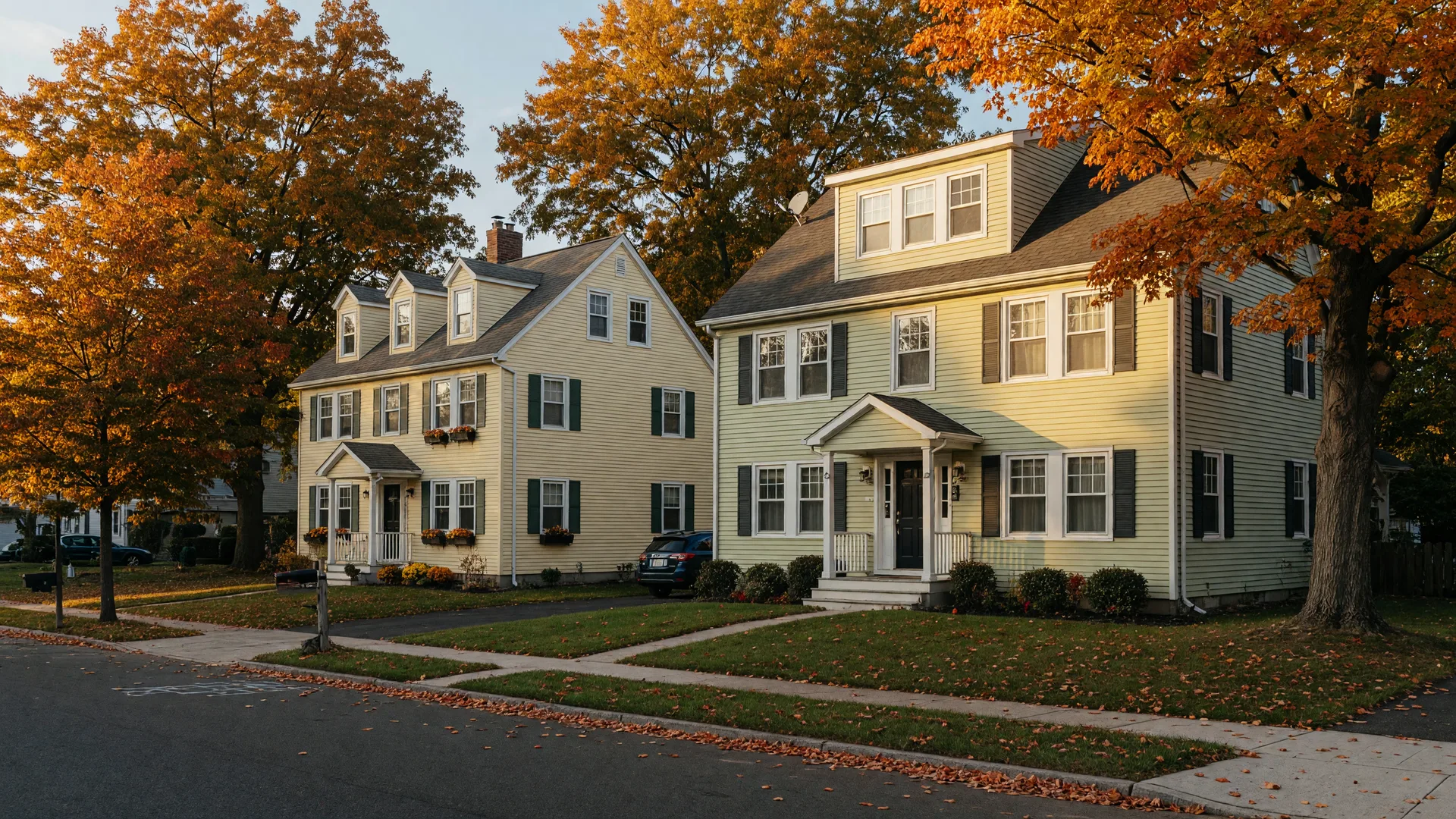
If you are thinking about selling in Bloomfield or West Orange, you have probably already done the thing every homeowner does: checked what the house down the street sold for and tried to figure out what it means for your own. Here is the honest, useful version: your neighbor's sale price is a data point, not your price. It matters, it is the single best clue you have, but it needs context, adjustment, and a little skepticism before it turns into a number you can plan around. This guide walks you through how an agent actually reads comparable sales, why a comp is never a simple copy-and-paste number, and what all of it means in a market where homes routinely close above their list prices.
The short version of the October 2026 picture: a turnkey single-family home in good condition realistically starts around $625K in Bloomfield and $600K in West Orange, well-priced homes still close roughly 6 to 12 percent above list, and the sale-to-list ratio is the number that tells you more than any single sale ever will. I will show you how to read all of it, and what questions to ask before you trust a number, yours included.
- 1.A comp is a starting point, not a verdict. The same sale can mean one thing for the house next door and something different for yours, because lot, condition, updates, and section change the math.
- 2.Sale-to-list ratio is the headline number. Bloomfield homes close roughly 6 to 12 percent above list on average, West Orange 7 to 9 percent, and the ratio tells you whether a price is normal or a strategy.
- 3.List prices are marketing, sale prices are the truth. A low sign is usually a move to build a bigger buyer pool, and the closed sale, not the sign, is the number that pays you.
- 4.Realistic floors still hold: roughly $625K+ for a turnkey single-family in Bloomfield, $600K+ in West Orange, and $900K+ in Montclair, where premiums can run far hotter.
Why "the house down the street sold for X" is never enough
The first thing I do when a seller tells me about a sale in their neighborhood is ask four questions: where exactly was it, what condition was it in, what had been updated, and how does its lot compare to yours. Those four answers can move the value meaningfully in either direction, even for two houses that look identical from the curb. A sale three streets over in a different section can be a different market entirely, which is why the ZIP median and the comp on your block are not the same number.
Here is the framework I use, and it is the same one a good appraiser uses. Start with closed sales within roughly a quarter mile of your home, sold in the last three to six months. Then adjust for the four big levers: location and section (a Brookdale address is not a Watsessing address, and a Pleasantdale split-level is not a Gregory colonial), condition (turnkey, updated, dated, or a fixer moves the number more than anything besides location), updates (a renovated kitchen and baths are priced in, and dated ones are discounted), and lot and size (a fenced half acre near the reservations is not a postage-stamp lot on a busy corner). Adjustments are rarely glamorous, but they are the whole job.
A neighborhood walkthrough, in one example
Say a colonial three streets over closed at $650K. It is the same style as yours and the same lot size, but it had a renovated kitchen with new appliances, refinished hardwood throughout, and it went into contract within days of listing. Your kitchen is original to the 1950s and every room needs fresh paint. That $650K number is your starting point, not your verdict: the same section, similar size, but a condition gap that a buyer's agent will price into any offer. The honest range for your home might start tens of thousands below that sale, and the work that closes the gap is exactly the work worth doing before you list.
Why Zillow and the towns seem to tell different stories
If you check Zillow and see a number that feels low, or Redfin's median that looks flat compared to last year, here is what is really happening. Portal estimates are trained on data that includes list prices, and in Bloomfield and West Orange, list prices are deliberately set below where homes actually sell. So an automated estimate that leans on listing prices inherits the discount of the strategy. The ZIP median has a different problem: it mixes condos, attached homes, and fixers in with single-family sales, so the monthly print shifts with the mix of what sold, not with the value of your house.
The result is that the single number on a portal can be off by more than people expect, in both directions. That is not a knock on the tools, it is a reason to read them the way you would read a weather forecast: useful for the trend, unreliable for the exact degree on your block. The number that matters is the closed sale price of homes like yours, on streets like yours, in the last few months. Here is the freshest October 2026 picture for both towns.
Bloomfield 07003, October 2026
- Median sale price: roughly $619K to $683K depending on the source, with Redfin's rolling figure near $668K and RealtyTrac's September read near $683K (up about 5.5% year over year)
- Sale-to-list ratio: about 110% to 112%, meaning well-priced homes close roughly 10% to 12% above list
- Competition: about seven offers per well-priced listing, with hot homes in Brookdale, Demarest, and near the stations running well above the ZIP average
- Individual sales this year: anything from about 5% to 27% above list, which is the spread you are really reading when you look at closed sales
- Realistic single-family floor: $625K+ in good condition
West Orange 07052, October 2026
- Median sale price: about $656K to $668K on Redfin's rolling data, up about 1.8% year over year, with Resideline's median across 300+ closings near $659K
- Average home value: about $702K on Zillow, up roughly 9.4% year over year
- Sale-to-list: well-priced homes close about 7% to 9% over list, and hot homes near Eagle Rock and the reservations can run 18% or more above list
- Competition: about six offers per listing, with most homes going to pending in about 17 to 25 days
- Realistic single-family floor: $600K+ in good condition
For context, Montclair starts around $900K for a turnkey single-family and can reach into the millions in Upper Montclair, with the over-asking dynamic running even hotter there. The floors and the ratios above are why the same set of comps can look confusing until you separate strategy prices from sale prices.
Pricing heads-up: Well-priced homes across these Essex County towns routinely attract multiple offers and close above list. Mid-October 2026 reads: Bloomfield (07003) median sale price ~$619K (RealtyTrac September read nearer ~$683K), homes selling ~6-12% above list on average (single-family in good condition from ~$625K); West Orange (07052) median ~$656K, homes selling ~6-9% above list on average (single-family in good condition from ~$600K); Montclair (07042) median ~$1.2M-$1.3M, homes selling ~20-25% above list on average (single-family in good condition from ~$900K, into the millions in Upper Montclair). Inventory is limited in each ZIP, so prepared buyers who budget for the sale price rather than the list price are best positioned. Every situation is different. Let's talk through what the latest numbers mean for yours.
The sale-to-list ratio: the number that explains the whole market
Of everything in this post, the sale-to-list ratio is the one I most want you to understand, because it is the reason the list-low-sell-high dynamic exists. The ratio is what you get when you divide a home's sale price by its list price. A 110% ratio means the home sold at 110% of its list price, or roughly 10% above asking. When a town consistently prints ratios well above 100%, it is not because every seller underprices by accident. It is because list prices are being used as a marketing tool.
Here is how it works in practice. A home that is realistically worth $650K lists at $599K on purpose. Buyers searching up to $600K see it, buyers searching up to $650K see it, and buyers searching up to $700K see it too. The wider the pool that tours in the first weekend, the more offers you get, and competition pushes the final number toward, and sometimes above, the realistic value. That is why a low sign is usually a marketing move, not market news, and it is exactly why I keep saying the closed sale price, not the list price, is the number that matters.
The other side of the same coin: a 110% town average does not mean your home automatically sells for list price plus 10%. The premium is earned by pricing that is anchored to real comps, presentation that earns the attention, and a first weekend that concentrates the widest buyer pool. Every situation is different, and the strategy only pays off when the three pieces work together.
What to do this weekend: read your own street like an agent
Before you call anyone, you can do a useful version of this yourself. Pull the last three to six months of closed sales within half a mile of your home, not the active listings. Active listings are strategy; closed sales are results. Sort them by date, and for each one note the four levers: section, condition, updates, and lot. Then build a range, discarding the obvious outliers (the tear-down, the once-in-a-decade view premium, the fully renovated showpiece). That range is your honest starting number, the one to bring into any conversation with an agent.
When you do talk to an agent, ask for their own comparable market analysis, not a printout from a portal. The right answer comes with reasoning: here are the six sales I used, here is why I adjusted this one down and that one up, and here is the range I would price the strategy around. If the analysis is a single number with no reasoning, treat it like a single data point, not a verdict. I want you to feel informed and comfortable, and that starts with being able to tell a good comp from a convenient one.
Seller tips by town: where the comps run hottest
The reading changes slightly in each town, the same way it would in a listing consult. Here is the town-specific version.
Bloomfield: price to pull the widest pool, section by section
Bloomfield is one of the most competitive single-family markets in the state on several measures, and the comps prove it: about seven offers per well-priced listing and a sale-to-list ratio near 110% to 112%. In Brookdale, Demarest, and the streets near the stations, the strategy price should sit just under the round number buyers filter by, because every buyer searching up to that number lands on your listing and the over-asking premium does the rest.
But the section matters as much as the town. A dated home on a thinner street should be priced closer to realistic value with the condition priced in, because buyers discount deferred maintenance heavily. The best ROI work stays simple and visible: fresh neutral paint, a deep clean, updated cabinet fronts and hardware, and a lawn that looks cared for. Skip the gut renovation before listing; a pre-listing inspection for $400 to $600 tells you what a buyer's inspector will find, on your timeline, for far less money.
West Orange: lead with the lot and the light
Roughly 85% of West Orange homes sell above their asking price, so the over-asking pattern is even more consistent here, and the comps run hottest near Pleasantdale, Gregory, and the hills beside Eagle Rock and South Mountain Reservations. Because so many West Orange buyers are NYC-area relocators drawn by the generous lots and the reservations, the yard and the natural light are the stars of your listing, and the staging should make both feel big.
Timing is the lever in West Orange: most homes already go to pending in about 17 to 25 days, so a late-October listing with a clean first-weekend plan can still be under contract before Thanksgiving on November 26. With rates above 7%, price your strategy to leave room for the appraisal to confirm the final number, and let the free municipal jitney to the rail and the reservation views tell the story buyers are already sold on.
Questions sellers ask when the numbers look confusing
After years of watching homeowners talk themselves out of listing because a number confused them, here are the questions I hear most, answered honestly.
"If homes sell 10% over list, should I list my home 10% higher?"
No, and this is the trap. The premium exists because the list price is set low enough to pull a wide pool. If you list at value plus 10%, you lose the buyers searching up to the lower filter points, you lose the first-weekend competition, and the sale-to-list ratio on your street is the reason, not the permission. List price is strategy; the competitive market builds the result.
"That fixer up the block sold for $600K, so mine must be worth more."
Maybe, but only after adjustment. If that sale was a tear-down or a heavy fixer, it tells you the land value in your section, not the value of your updated colonial. Fixers and turnkey homes are different comps, and mixing them is the most common way homeowners misread their own value. That is why I weigh the four levers, not the single sale.
"Homes take how long to sell right now?"
In West Orange most well-priced homes go to pending in about 17 to 25 days, and Bloomfield's well-priced single-family homes move in a similar window, with about seven offers common in the hot sections. The spread in individual outcomes is almost always pricing and presentation, not the town. A clean first-weekend plan is how you land on the fast end of that range.
"Is now a good time to sell, or should I wait until spring?"
The honest October 15 answer: if your home is ready and priced with current data, the week ahead is still a real window, because a listing that goes under contract by late October can close before Thanksgiving on November 26, with far less competition than the spring. Spring 2027 is the other strong window, but rates near 7% mean pricing and presentation matter in both, and the fall gives you the low-inventory advantage. Every situation is different, so let's talk through your timeline, no pressure.
The short version: your neighbor's sale is a clue, not a verdict. Read closed sales within half a mile, adjust for section, condition, updates, and lot, and read the sale-to-list ratio as the headline: roughly 10% to 12% over list in Bloomfield, 7% to 9% in West Orange, with realistic floors of $625K+ and $600K+ in good condition. List prices are strategy, sale prices are the truth, and the first weekend is where the competition builds. Let's walk through the comps on your own street together, no pressure, no obligation.
Want your home's real number?
I pull the closed comps within a quarter mile of your home, adjust them the way this post describes, and walk you through what they mean for your specific property. It is free, takes about thirty minutes, and there is no pressure to list. I want you to feel informed and comfortable, and that starts with a number you can actually trust.
You Might Also Like