Bloomfield's 2026 Budget Approved: What the 12.1% Tax Increase Means for Homeowners

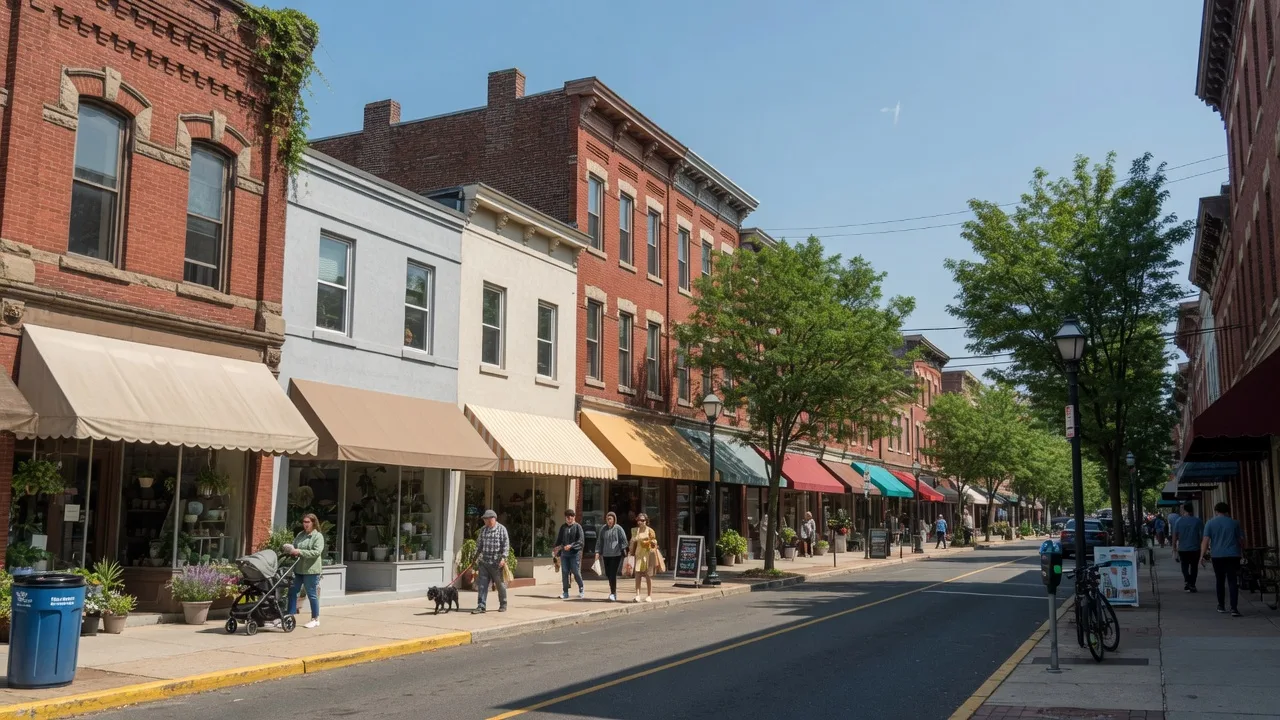
The Bloomfield Town Council voted 5-2 on July 28, 2026 to adopt the $110.3 million 2026 municipal budget. The approved budget raises $79.26 million via the municipal tax levy (using $7.3M of surplus) and results in a 12.1% tax increase of approximately $589 more per household annually for the average homeowner. The increase is slightly higher than the $584 initially proposed due to adjustments made after the public hearing. The Council also amended the budget to reflect additional state aid, which partially offset the increase. The school budget was already approved unanimously by the Board of Education in April. If you own a home in Bloomfield, now is the time to review your assessment and plan for the increase.
Bloomfield homeowners are looking at a real tax increase this year – and it's worth understanding what's driving it. The Bloomfield Town Council approved the 2026 municipal budget on July 28 that means roughly a $589 annual increase in the municipal portion of the property tax bill for the average homeowner. Here's what drove the increase and what it means for you.
If you own property in Bloomfield – or you're thinking about buying here – this is one of those budget cycles that's worth paying attention to. Here's what's behind the numbers and what it means for you.
What's in the municipal budget?
The proposed budget reflects rising costs across the board – health care, pensions, insurance, utilities, and contractual obligations. These are pressures that most New Jersey municipalities are dealing with right now, and Bloomfield is no exception.
Here are the key numbers:
- $589 annual increase in the municipal portion of property taxes for the average homeowner (assessed at $355,263), finalized in the approved 5-2 Council vote on July 28.
- The municipal tax represents about 38% of your total property tax bill – so the other 62% (school, county, and other levies) is a separate calculation.
- A 12.1% overall municipal tax increase, higher than the 3% originally projected because the township used less surplus to offset the levy than initially planned. The Council also amended the budget to incorporate additional state aid and cut $3.6 million from the general fund.
That last point matters. The township had to make real budget cuts to keep the tax increase from being even larger. A $3.6 million reduction to the general fund isn't trivial – it means fewer discretionary spending dollars for the township going forward.
What about the school budget?
The school budget is the other big piece of the property tax picture in Bloomfield. For the 2026–27 school year, the Bloomfield Board of Education approved an $89.4 million budget that includes:
- A 4.97% increase to the local tax levy – translating to roughly $79 per $100,000 of assessed property value.
- A 3% decrease in state aid – the district is receiving about $50 million in state funding, down from the previous year.
- 24 staff positions eliminated across the district, including classroom and non-classroom positions at Bloomfield High School, Bloomfield Middle School, Berkeley School, and Brookdale.
- Salary freezes for directors and non-affiliated staff, along with cuts to supplies, subscriptions, and technology spending.
The combination of rising costs and falling state aid has put real pressure on the school budget. If you're a Bloomfield homeowner, the school portion of your tax bill – which is typically the largest single component – is going up alongside the municipal portion.
What this means for your total tax bill
Bloomfield's effective property tax rate is approximately 2.2% of assessed value. On a median home price of around $382,000, that works out to roughly $8,400 per year (or about $700 per month) in total property taxes.
The proposed municipal increase adds another layer on top of that. When you combine the municipal budget increase with the school budget increase, most Bloomfield homeowners are looking at a noticeable jump in their 2026 tax bills.
For context, Bloomfield property tax increases over the past several years have ranged from about 2% to 4% annually. This year's combined increases are on the higher end of that range.
What about the lead service line replacement funding?
One bit of good news: Bloomfield was awarded $480,000 in federal funding through a Fiscal Year 2026 Congressionally Directed Spending appropriation for lead service line replacement. The township also received $2 million in direct appropriations from the New Jersey state budget. While this doesn't directly offset property taxes, it does mean critical infrastructure work is being funded by outside sources rather than local taxpayers.
What homeowners should do
If you own property in Bloomfield, here are a few practical takeaways:
- Review your assessment. Bloomfield has a property tax revaluation in progress (scheduled to take effect for tax year 2028). Understanding your current assessed value and how it compares to market value matters now more than ever.
- Plan for the increase. The $589 annual increase is now in effect. If you're budgeting for homeownership costs, factor in the higher taxes this year – and the likelihood of additional changes when the reval takes effect in 2028.
- Stay informed about appeals. If you believe your assessment is too high relative to comparable homes, you have the right to file a tax appeal. The deadlines and process vary, so it's worth understanding your options.
What this means for buyers
If you're considering buying in Bloomfield, property taxes are an important part of the total cost of homeownership. The current effective rate of 2.2% is above the national average but in line with what you'll find across much of Essex County and Northern New Jersey.
What's worth understanding is that Bloomfield's tax picture is in flux – with both a budget increase this year and a revaluation coming in 2028. A home that looks affordable at today's tax bill may carry a higher burden in the near future. That's not a reason not to buy here – Bloomfield offers real value relative to some of its neighbors – but it's worth doing the math with someone who understands the local landscape.
The bottom line
Bloomfield's 2026 budget reflects real fiscal pressures – rising costs, declining state aid, and the need to fund schools and services at a time when every dollar counts. The approved $589 municipal tax increase is one piece of a larger picture that includes a school budget with its own tax levy increase.
If you're a homeowner, the best thing you can do is stay informed, review your assessment, and understand your appeal rights. If you're thinking about buying, make sure you're looking at the full picture – not just the listing price, but the tax burden that comes with it.
I'm always happy to walk through the numbers with you. No pressure – just honest information to help you make a smart decision.
Sources
This story is based on reporting by Patch (July 31), TAPinto Bloomfield (July 30), Patch (June), Patch (School Budget), and TAPinto Bloomfield (School Budget) (June–July 2026).
Have a tip about local development?
I cover local real estate and development news across Bloomfield, West Orange, Montclair, and Essex County. If you hear about new construction, zoning changes, or neighborhood issues, I'd love to hear about it.