Bloomfield Approves 250-Unit Redevelopment Plan for 71 Locust Avenue: What Neighbors Should Know

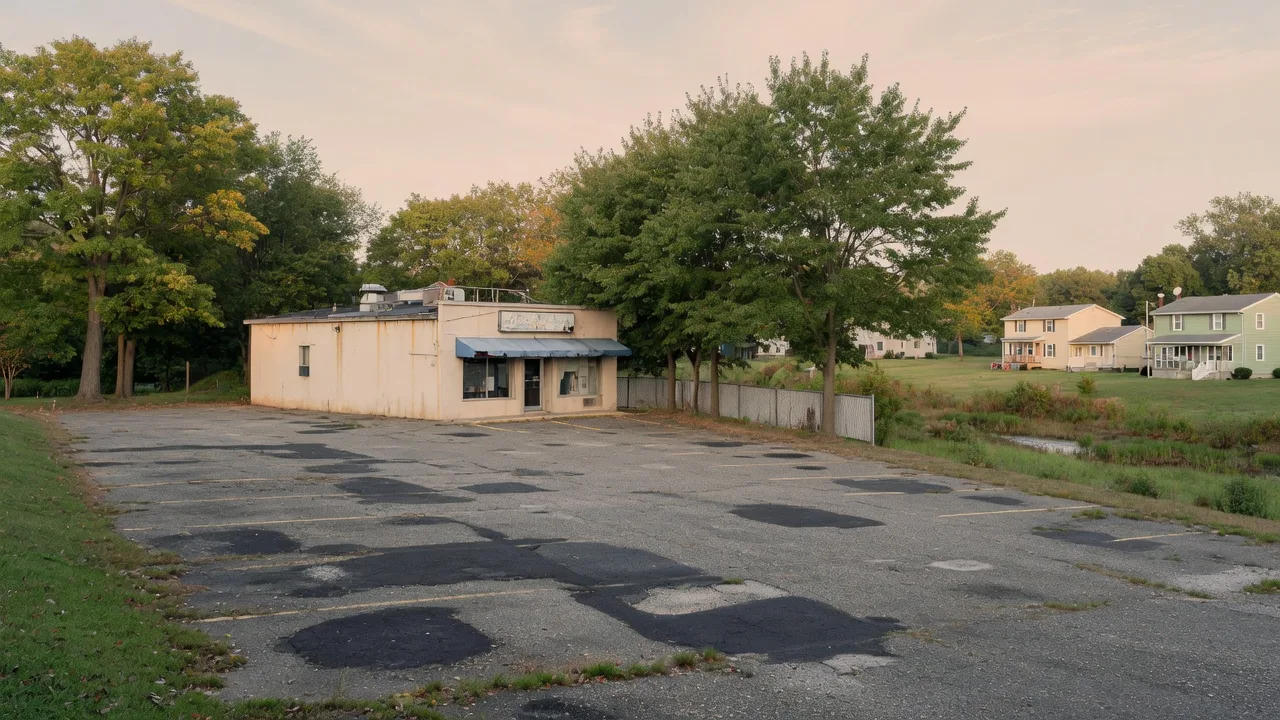
Bloomfield's mayor and council majority voted this year to adopt a redevelopment plan for the roughly 1.7-acre parcel at 71 Locust Avenue, setting up a future eight-story, 250-unit residential building behind the Watsessing Park dog park and steps from Watsessing Elementary School. The vote came over the objections of two council members and a number of residents who wanted the site kept as open space, pointing to flood risk and a history of contamination on the property. Here is what the decision means for homeowners, buyers, and families near Watsessing.
What the redevelopment plan calls for
The plan reimagines a privately owned lot that is largely parking today. Under the design the developer has shared, the project would stack five levels of apartments above three levels of parking, for about 250 dwelling units on the site. Property records show the parcel sits substantially in the floodplain: parcel data indicates roughly 77 percent of the site lies within the AE flood zone, including part of a floodway. It is also described as contaminated from its prior commercial use, which means meaningful cleanup and floodplain considerations would come before any homes could be built.
The council first earmarked the property for an area-in-need study back in January 2025, and the formal redevelopment designation and a draft plan followed over the next year. The adoption of the redevelopment plan this year was the key step, because it gives the site a development framework the planning and zoning boards will work from.
Why the vote was controversial
Two council members, Tracy Toler-Phillips and Nick Joanow, argued to table the vote or drop the redevelopment entirely and preserve the land as open space. Public comment raised concerns about building next to a school and a park on a site with flood and contamination questions. The majority approved the plan anyway, and critics have characterized the decision as approving housing on contaminated, flood-prone land beside a neighborhood anchor.
That split matters to local buyers and sellers for a simple reason: this is the kind of decision that shapes how Watsessing evolves, and it is worth watching how the developer and the town handle the hard parts, not just the renderings.
What this means for buyers and homeowners
- Flood insurance awareness. If you are buying near Watsessing, check the FEMA flood map for the specific block you are looking at, not just the neighborhood. Homes on higher ground and outside the floodway behave very differently on insurance and resale than properties inside the AE zone.
- Rental supply. 250 units is a sizable addition for Bloomfield. Most of this market's pressure is on rentals right now, so this project, if built, would add meaningful supply in a town where apartments are scarce.
- School and traffic impact. A project this size next to an elementary school means more drop-off and pickup traffic and more students over time. It is a fair question to ask at public meetings before approval, not after construction starts.
- Timeline is long. A redevelopment plan is a framework, not a building permit. Cleanup, floodplain permits, and site plan approvals still lie ahead, so treat construction timing with healthy skepticism.
How this fits the wider Locust Avenue story
Locust Avenue has become one of Bloomfield's busiest redevelopment corridors. Just a few blocks away, the town has also been studying 78-88 Locust Avenue for redevelopment designation as a possible mixed-use site. Taken together, the two parcels signal that this end of town is where the municipality is planning its growth, which is useful context whether you are buying, selling, or just keeping tabs on the neighborhood.
What to watch next
The redevelopment plan is adopted, but the real tests come next: soil remediation plans, floodplain approvals, and the site plan review before the planning board. I would also watch whether the town ties flood mitigation conditions to the approval and how the district plans for the school enrollment a project this size would bring. Those details, not the vote itself, will tell you what the finished project actually looks like.
The bottom line
Bloomfield took a big step this year toward a dense, 250-unit project on a floodplain parcel next to a park and an elementary school, and it did so over vocal objections. For sellers near Watsessing, the honest read is that this is a long, uncertain process with real construction risk and real housing-supply upside. For buyers, it is a reminder to look at flood maps block by block and to ask about what is planned nearby before you fall in love with a house.
If you are looking in the Watsessing or Locust Avenue area and want to talk through flood risk, resale, or what a project like this could mean for your decision, I am happy to walk through it with you. No pressure, just honest local guidance.
Sources
This story is based on Bloomfield Chronicles' coverage of the 71 Locust Avenue vote, the developer's project page for 71 Locust, NJ Parcels floodplain data for Block 152, Lot 10, and the Township of Bloomfield adopted resolutions.
Have a tip about local development?
I cover local real estate and development news across Bloomfield, West Orange, Montclair, and Essex County. If you hear about new construction, zoning changes, or neighborhood issues, I'd love to hear about it.