Bloomfield's Affordable Housing Plan Nears Certification: What It Means for Homeowners and Development

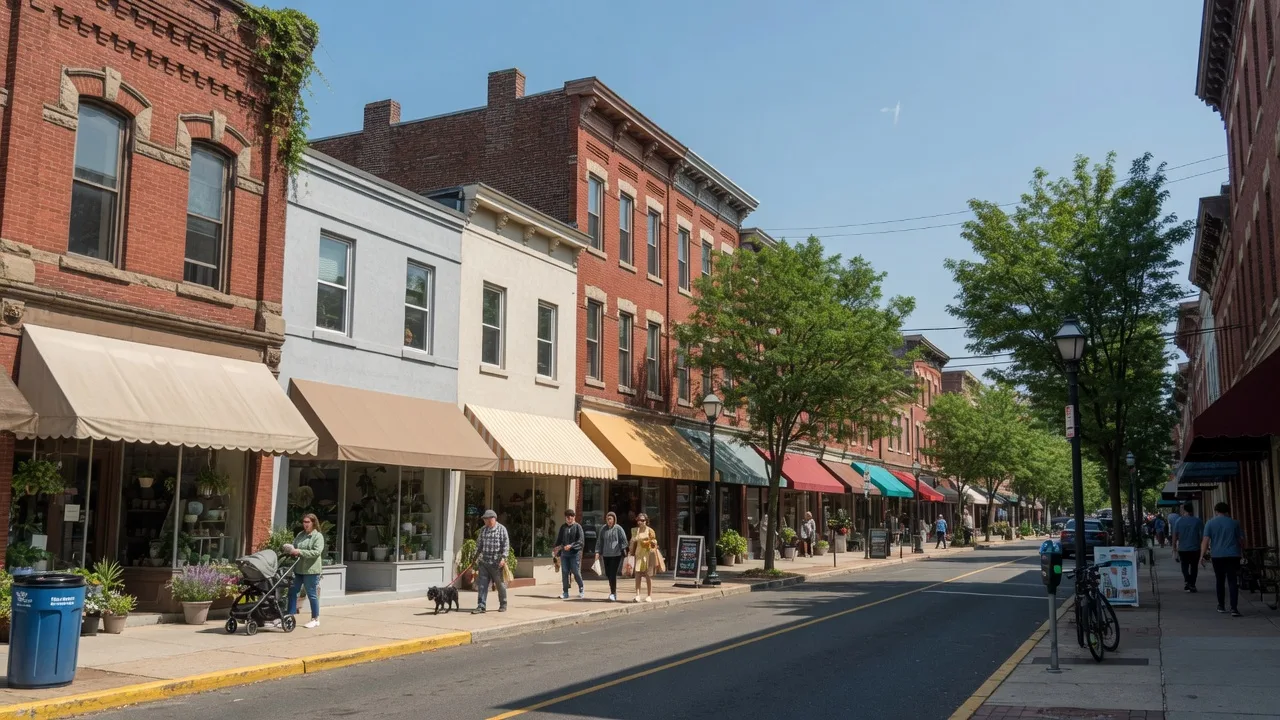
Bloomfield Township is nearing certification of its affordable housing plan, a significant milestone that sets the stage for new development quotas and a home improvement program over the next decade. As of June 2026, the township had completed the steps required for state certification, with court approval anticipated within weeks.
If you own property in Bloomfield or you're thinking about buying here, the affordable housing plan is one of those policy stories that quietly shapes development patterns, property values, and your tax bill for years to come.
What is the affordable housing plan?
Under New Jersey's Mount Laurel doctrine, every municipality must provide its "fair share" of the region's affordable housing needs. The state Department of Community Affairs (DCA) sets quotas, and each town creates a plan showing how it will meet its obligation over a specified period.
Bloomfield's plan covers the township's affordable housing obligation through the latest round of state quotas (announced in 2024). Key elements include:
- Specific sites identified for development where affordable units will be built or set aside.
- A new Home Improvement Program to help low- and moderate-income residents fund major home repairs and stay in their homes.
- Zoning adjustments in certain areas to accommodate the required number of units.
- Compliance with the state's latest affordable housing mandate to avoid costly builder's remedy lawsuits.
What does this mean for homeowners?
Affordable housing plans can feel abstract, but they have real practical effects on the local real estate market. Here's what I'm watching:
- Development patterns. The plan identifies specific sites where housing will be built. If those sites are in your neighborhood, you may see new construction nearby. If they're in commercial areas or on underutilized land, the impact on existing residential streets is minimal.
- Property values. Well-designed affordable housing integrated into walkable, transit-accessible neighborhoods tends to have neutral or positive effects on surrounding property values. Poorly planned, isolated projects can be a different story. Bloomfield's plan emphasizes transit-oriented development near the Bloomfield Center and Six Points areas, which tends to support property values.
- The Home Improvement Program. This is a direct benefit for current homeowners. The program will help fund roof repairs, HVAC replacements, electrical and plumbing upgrades, and other major work for income-qualified residents. That's good for the homeowners who receive the help, and it's good for the neighborhood when homes are maintained.
What does this mean for buyers?
If you're considering buying in Bloomfield, the certified affordable housing plan provides predictability. Here's why that matters:
- A certified plan protects the township from builder's remedy lawsuits (where developers can bypass local zoning if a town hasn't met its affordable housing obligation). Without a certified plan, Bloomfield would be vulnerable to major developments imposed by courts rather than planned by the community.
- Development gets channeled to specific sites rather than scattered unpredictably. The plan concentrates new density near transit and commercial corridors, which preserves the character of established residential neighborhoods.
- The housing mix matters. Bloomfield's plan includes a range of housing types, which supports a diverse community and a stable housing market over the long term.
Why did it take so long?
New Jersey's affordable housing landscape has been in flux for years. In 2024, the state shifted from a court-driven quota system to one administered by the DCA, a change that disrupted many municipalities' planning processes. Bloomfield had to reassess its obligations under the new framework and revise its plan accordingly.
The nearly-certified plan represents the culmination of that work. Once approved, it gives Bloomfield a stable legal foundation for development decisions through the end of the current obligation cycle.
How does this connect to the Master Plan?
Bloomfield's ongoing mixed-use development projects provide the broader blueprint for the township's growth, covering zoning, walkability, sustainability, and transit-oriented development. The affordable housing plan is a component of that larger vision. Together, they tell the story of how Bloomfield intends to grow over the next decade.
The bottom line
Bloomfield's affordable housing plan certification is one of those behind-the-scenes policy milestones that shapes what gets built, where it gets built, and who can afford to live here. For homeowners, the main practical takeaway is the Home Improvement Program, which offers direct financial help for needed repairs. For buyers, the certified plan provides predictability about where future development will go.
If you have questions about how the affordable housing plan affects a specific property or neighborhood, I'm happy to talk through it. I follow Bloomfield's development landscape closely, and I can help you understand what's planned and how it might affect your home search or selling timeline.
Sources
This story is based on reporting by Patch (June 2026), Patch (Quota Announcement), the Township of Bloomfield, and the NJ Department of Community Affairs affordable housing program.
Have a tip about local development?
I cover local real estate and development news across Bloomfield, West Orange, Montclair, and Essex County. If you hear about new construction, zoning changes, or neighborhood issues, I'd love to hear about it.