Bloomfield Has Banned Data Centers: What the Zoning Reversal Means for Homeowners

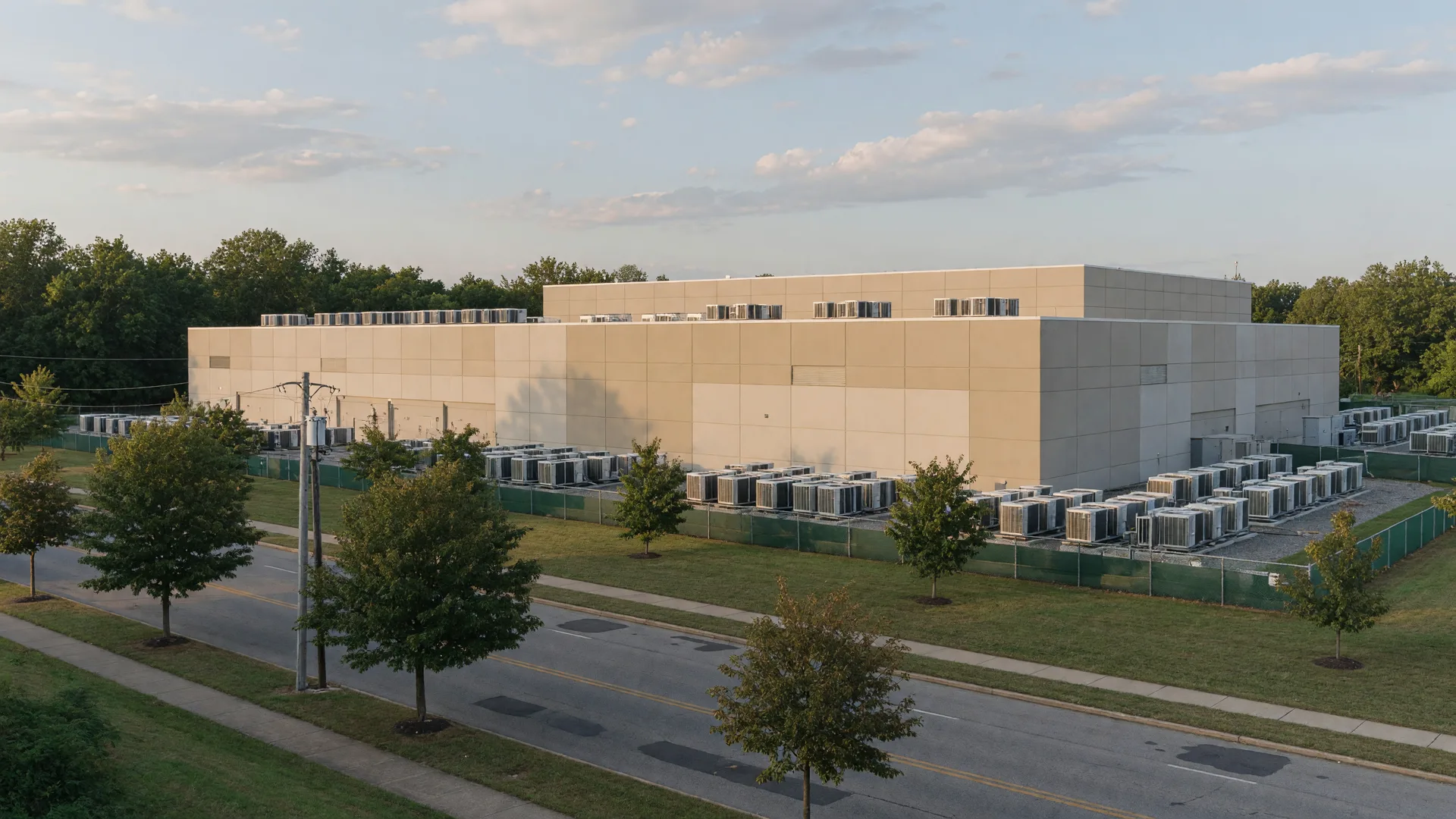
Bloomfield has moved to ban data centers. Reporting in the week of September 24, 2026 indicated the township had banned the facilities, capping a resident-driven zoning debate that began with an August review that found no immediate threat. Here is what the ban means for homeowners, buyers, and anyone watching how the town handles new large-scale industries.
Where the ban stands (updated September 30)
One clarifying note on the timing: the change is flowing through the township's zoning amendments tied to its master plan. In late August, Mayor Jenny Mundell said a municipal review found no zone would allow a data center without a zoning-board variance, and that the township was in the process of amending its ordinances. Resident pressure through September pushed the council toward a ban, which Insider NJ reported in its September 24 morning briefing, citing TAPinto.
Bloomfield is far from alone. Raritan Township adopted an outright data center ban around September 21, and Middletown introduced one the same week. Developer lawsuits challenging bans in Montgomery, Andover, and Monroe are already working their way through New Jersey courts, which is a reminder that final ordinance language, and any legal challenge, will decide whether the ban sticks.
Why the township took a look
Mayor Jenny Mundell asked administrators to review the rules after residents raised concerns about possible data center development. In late August, officials shared the findings: no immediate threat under the current rules, according to Patch. But the conversation did not stop there. Resident pressure intensified through September, and in the week of September 24, Insider NJ's morning briefing reported that data centers had been banned in Bloomfield, citing TAPinto.
The public debate mirrors a divide playing out across the state. Supporters say data centers help New Jersey compete in artificial intelligence. Critics worry about power and water use, strain on the electric grid, and the risk of higher utility bills. Bloomfield started with a review-first approach, then followed resident pressure to a much stronger outcome.
What this means for the neighborhood
For homeowners, the practical takeaway is that the township has now drawn a much clearer line around data centers. Here is what that means day to day:
- Utility costs. Data centers are heavy users of power and water, and residents would naturally ask questions about rates and infrastructure if one ever came forward. The ban sidesteps that risk for now.
- Zoning tone. A ban is a strong statement about the kind of industry the town wants near homes. It protects neighborhood character, but it also signals to developers that large industrial uses will face an uphill path in Bloomfield.
- The statewide backdrop. Developers have sued some New Jersey towns over data center bans, and those cases could shape how municipalities approach the issue in the months ahead. Bloomfield's ban could face similar legal scrutiny, so this may not be the last word.
What this means for buyers and sellers
For buyers, the ban is a quality-of-life signal rather than a price mover. A town that listens to residents and draws clear lines around heavy industrial uses tends to protect the character people move for. The trade-off is that a ban can also read as a tougher business climate, which some buyers and sellers will weigh differently.
For sellers, zoning stories like this rarely move prices by themselves. They shape confidence. A town that responds to its residents on a hot-button issue tends to hold its appeal, and Bloomfield's response here does that, assuming the ban holds up.
The bottom line
Bloomfield's data center story moved quickly from a review to a ban. In late August the findings were reassuring: no immediate threat under the existing rules. By the week of September 24, the township had banned the facilities, according to reporting. If a developer challenges the ban in court, as has happened in other New Jersey towns, this story will continue. For now, homeowners have a much clearer answer about what can be built next to their neighborhoods.
If you are comparing towns in Essex County,and want an honest,no-pressure read on development,taxes,and home values,I am happy to talk it through with you.
Sources
This story is based on reporting by Patch (Bloomfield), Insider NJ's September 24 briefing citing TAPinto on the Bloomfield ban, Patch's September 26 Bloomfield roundup, and New Jersey Monitor.
Have a tip about local development?
I cover local real estate and development news across Bloomfield,West Orange,Montclair,and Essex County. If you hear about new construction,zoning changes,or neighborhood issues,I would love to hear about it.