Bloomfield's Zoning Rewrite Pulled From the October 19 Agenda: What the Storefront-to-Housing Change Would Mean

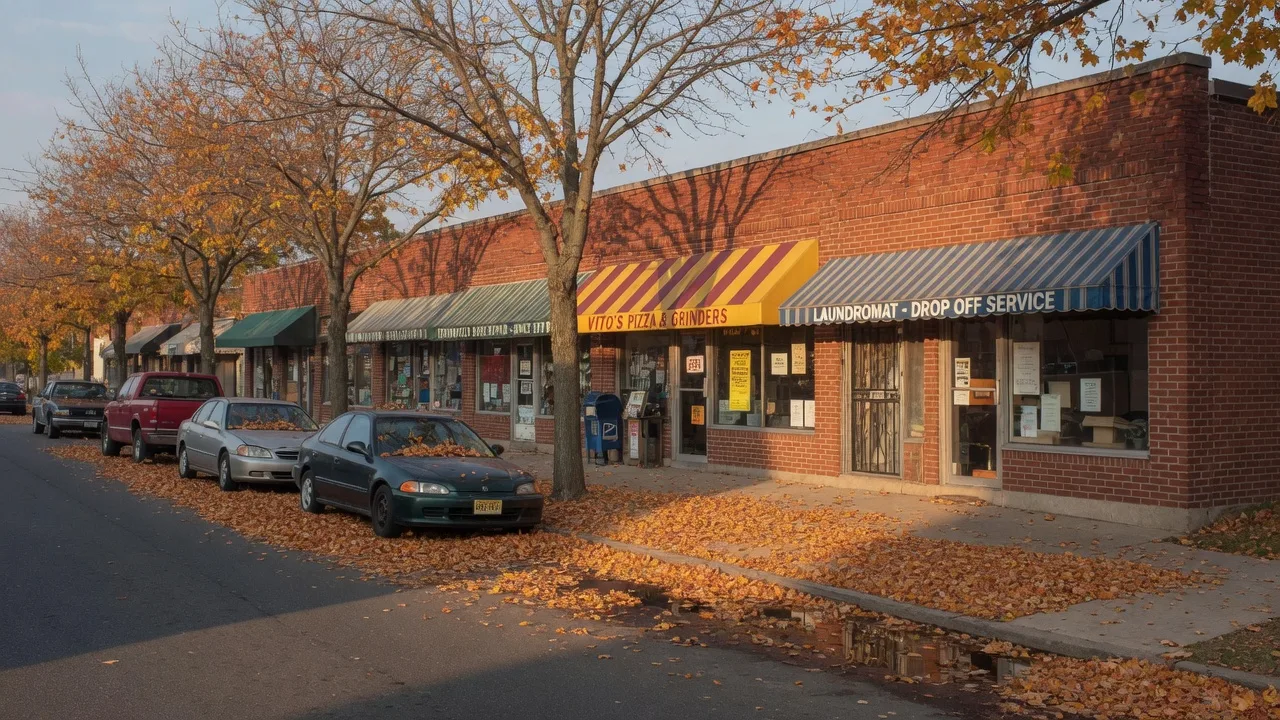
Bloomfield's Town Council was set to take a final vote on October 19 on Ordinance 14141, a comprehensive rewrite of the township's zoning code that would, among other changes, let storefronts in neighborhood business zones become homes "by right," meaning residential conversion would be allowed without a variance. The item was pulled from the agenda hours before that meeting, so nothing was adopted that night, but the proposal remains the biggest land-use question hanging over town as voters head to the polls November 3. Here is what the rewrite would do, why it was pulled, and what it means for homeowners, buyers, and the small businesses that give Bloomfield's corners their character.
What Ordinance 14141 would actually change
The ordinance is formally titled "An Ordinance Amending Chapter 315 Land Development and Zoning to Implement Master Plan Recommendations," and in practice it is described as a replacement of Bloomfield's entire zoning map rather than a tweak to individual districts. The change that has drawn the most attention: in B-2 "Neighborhood Business" zones, commercial storefronts could convert to residential use as a permitted use, without going through the variance process. For a town full of quiet corner strips, that is not a small detail. It would change the default answer for what happens to a storefront when a business closes.
The zoning code is the rulebook for every block in town: what can open, what can be built, how parking works, and what a property owner can do without asking permission. A rewrite this broad touches far more than the storefront rule, which is exactly why it carried a full second reading and final adoption on the October 19 agenda.
Why the vote was pulled
The ordinance was on the October 19 Council agenda but was pulled at the last minute and was not voted on that night, per Bloomfield Chronicles' recap of the meeting. Hours before the meeting, Mayor Jenny Mundell posted on Facebook defending the rewrite and warning that a "significant amount of disinformation" was circulating about it, a framing the Chronicles challenged in its account of the evening. The ordinance could be re-agendared at a future meeting, but with the November 3 election now two weeks out and all three ward council seats on the ballot, the timing of any re-vote is very much a political question, not just a procedural one.
That matters to homeowners because this exact kind of last-minute move is how zoning changes sneak through after elections, when the public is no longer watching. If you care about how Bloomfield's corners develop, the meetings in the next month are where the decisions actually get made.
The Watsessing connection
The fight over the storefront-to-housing rule has a ready-made example already playing out in Watsessing. Neighbors launched a community petition asking that the commercial corner at Carteret Street and Morse Avenue, home to 23 Skiddoo Cafe and Gelato, Narda's, and Jed's Bread, be kept commercially zoned so small businesses are protected. The concern is easy to follow: if a storefront can become a home by right, a strip of small businesses could quietly turn residential one storefront at a time, no hearing required.
The timing lines up with the cafe's broader story: 23 Skiddoo closed suddenly in October, one day after the Planning Board approved a subdivision at 37-39 Carteret Street to replace a one-story 1926 storefront with two single-family homes. Residents held their "Watsessing Speaks" town hall on October 18, and the cafe returns for a farewell weekend October 24-25. The zoning rewrite would make the general rule behind that single subdivision, so the petition is really about the next corner, and the one after that.
Why this matters to buyers and sellers
- Neighborhood character is a value driver. Corner stores, cafes, and walkable strips are part of why buyers pay a premium for towns like Bloomfield over car-dependent alternatives. A zoning rule that quietly lets storefronts become houses can change a block's feel over time, and that shows up in resale.
- Small business closures are a warning sign to watch, not panic over. One cafe closing is not a trend, but a zoning map that makes commercial conversion easier changes the economics for every remaining business on a strip.
- Process matters as much as outcome. Whether this ordinance returns before or after the election, and how much notice residents get, tells you a lot about how the town makes decisions. That track record is worth factoring into any long-term buying or selling plan.
What to watch next
Watch the township's meeting agenda for Ordinance 14141 to be re-agendared, and check whether it is scheduled before or after November 3. If it returns, the second reading and public comment are your chance to speak on the record before any vote. Also watch the Ward Three council race in particular, since Watsessing has become a flashpoint, and remember the budget context: Bloomfield homeowners are still digesting a roughly 12 percent municipal tax levy increase this year, about $589 more per year for an average home assessed at $355,263, so every land-use vote this fall is landing in a high-stakes budget year.
The bottom line
Bloomfield's proposed zoning rewrite, which would let storefronts in neighborhood business zones convert to homes by right, was pulled from the October 19 agenda rather than facing a final vote, with the mayor defending the plan and residents and local reporting pushing back in an election year. The ordinance could return at any time, and the decision about it will shape what Bloomfield's corners look like for years. For buyers, the honest read is to look at zoning as part of the neighborhood you are buying into. For sellers, a town where residents organize around character and small business is a town with demand, and that is a good long-term sign.
If you are looking in Watsessing or anywhere else in Bloomfield and want to talk through what a zoning change could mean for the block you are eyeing, I am happy to walk through it with you. No pressure, just honest local guidance.
Sources
This story is based on Bloomfield Chronicles' recap of the October 19 Council meeting, the Township of Bloomfield Code, Chapter 315, Article V (Zoning), Patch's coverage of the 2026 municipal tax levy increase, and the Township of Bloomfield adopted resolutions page. Details of the ordinance's final text should be verified against the township's official agenda and code before relying on any single summary.
Have a tip about local development?
I cover local real estate and development news across Bloomfield, West Orange, Montclair, and Essex County. If you hear about new construction, zoning changes, or neighborhood issues, I'd love to hear about it.