Montclair's 2026 Property Tax Bills Are Out: The $1,566 Increase for the Average Home, Explained

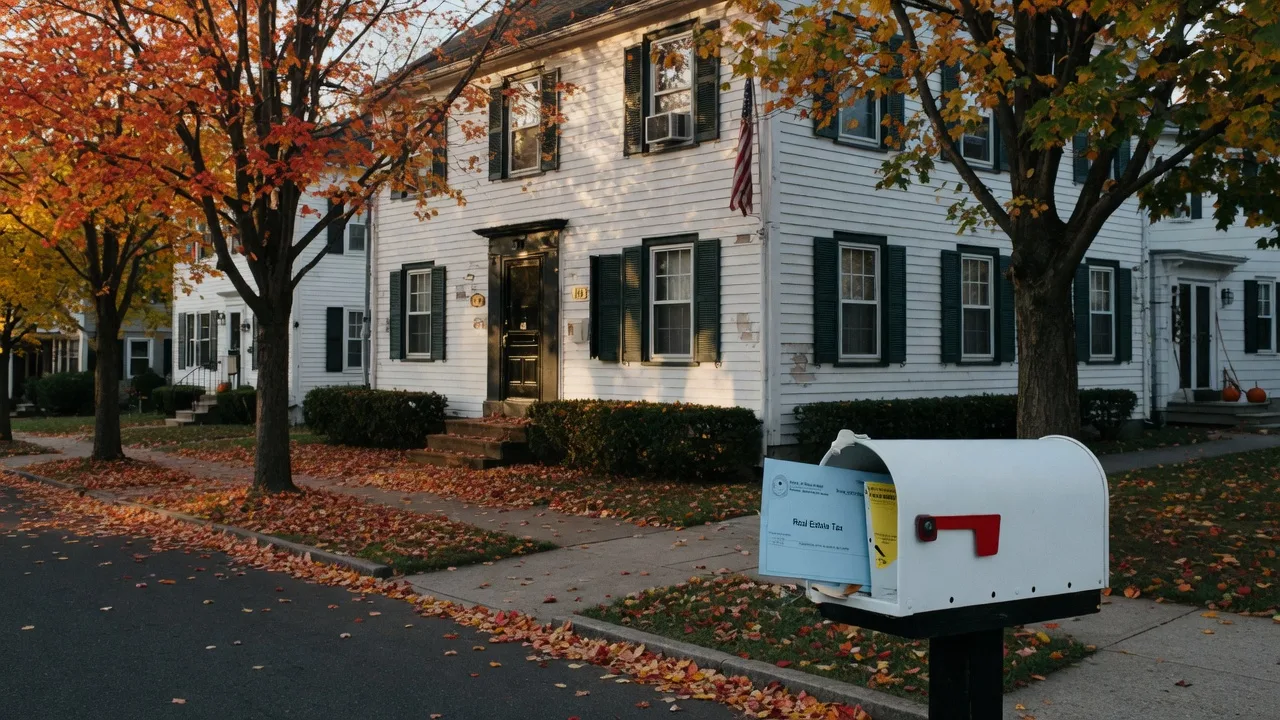
Montclair's 2026 property tax bills have now gone out, and the township's official breakdown shows the average home, assessed at about $641,700, paying roughly $1,566 more than last year: municipal taxes up $160.42, the county portion down $25.67, school taxes up $847.04, plus a separate one-time school referendum payment of about $443. The projected total bill lands near $24,162, up from $22,489 in 2025. Here is where every dollar comes from and what it means for homeowners and buyers.
The numbers for the average Montclair home
The township's "2026 Property Tax Bill Information" page lays out the year-over-year changes for the average home (assessed at about $641,700). The pieces: the municipal (township) share rises $160.42, Essex County actually drops $25.67, and the Montclair Public Schools annual budget adds $847.04. On top of that sits a voter-approved one-time school referendum payment of roughly $443, the special levy Montclair voters narrowly passed in March to help close the district's budget deficit.
Add it up and the average household's bill grows by about $1,566, to roughly $24,162. Those are the township's official figures, and they firm up the estimates from earlier this year, when the total increase was described as topping $1,500. The school share is the dominant driver, which is the pattern across Essex County: school taxes are the largest line on most New Jersey property tax bills.
Why the bills were late
Third-quarter bills, normally due August 1, were delayed this year while the township waited for Essex County to certify the 2026 tax rate after late budget approvals. Montclair announced the mailing delay, extended the standard 10-day grace period, and printed the revised deadline directly on the bills. Township Manager Stephen D. Marks also mailed residents a letter in September laying out the full picture, so the bills went out well after the usual due date. If your bill looked unfamiliar this quarter, the extra time was intentional, and the revised deadline is printed on the bill itself.
What it means for homeowners and buyers
- Budget for the school share. The school increase plus the one-time referendum is the bulk of the jump, and both trace back to the district's budget crisis and the roughly $20 million deficit that drove this year's cuts and the special levy. Until the forensic audit wraps up and the district's finances stabilize, expect school taxes to stay under pressure.
- The county portion went down. A $26 drop is small, but it is a useful counterpoint: not every line on the bill went up, and the county share can move independently of the town and schools.
- Bills matter for buyer budgets. If you are comparing Essex County towns, Montclair's effective tax burden on an average assessment is a real line-item consideration, and the one-time referendum means the 2026 bill is not quite a clean baseline for next year.
- The tax sale notice is a heads-up, not a crisis. The Tax Collector posted an October 12, 2026 tax sale listing for delinquent 2026 and prior-year taxes and municipal charges, sold via online auction. It affects properties with unpaid balances, so if you owe, pay or contact the township before the auction rather than ignoring the notice.
How this fits the bigger tax picture
Montclair is also in the middle of a county-ordered townwide revaluation, its first since 2018, with inspections underway this fall and new values taking effect for the 2028 tax year. A revaluation does not raise the total tax levy, but it does reallocate who pays what, which can shift bills noticeably between neighborhoods. Buyers should treat the 2026 bill as one data point and understand the revaluation timeline before assuming today's numbers hold forever.
What to watch next
The two things I would track: whether the new values from the revaluation inspections change the distribution of the tax burden when they take effect for 2028, and how the school district's next budget handles the referendum's one-time nature once it falls off. Between now and then, the practical step is simply to read your bill, note the revised payment deadline printed on it, and reach out to the township if the numbers do not match what you expected.
The bottom line
Montclair's 2026 tax bills are out, and the average home pays about $1,566 more, driven mostly by school taxes and the one-time referendum, with a small county decrease and an official, itemized breakdown from the township. It is a manageable, explainable increase once you see the lines, but it is worth understanding before you budget for 2027 or evaluate a home here. If you are buying or selling in Montclair and want to talk through how taxes and the revaluation could affect a particular property, I am happy to walk you through it. No pressure, just honest local guidance.
Sources
This story is based on the Township of Montclair's 2026 Property Tax Bill Information page (municipal, county, and school breakdown for the average home), the township's notice on the delayed third-quarter bills and extended grace period, the Tax Collector's October 12, 2026 tax sale listing, The Montclair Pod's breakdown of the 2026 increase, and Patch's reporting on the combined increases. For the earlier delay coverage, see this site's August story on the delayed bills.
Have a tip about local development?
I cover local real estate and development news across Bloomfield, West Orange, Montclair, and Essex County. If you hear about new construction, zoning changes, or neighborhood issues, I'd love to hear about it.