Montclair Council Votes to Downzone Fourth Ward Near Bloomfield Avenue: What It Means for Homeowners and Buyers

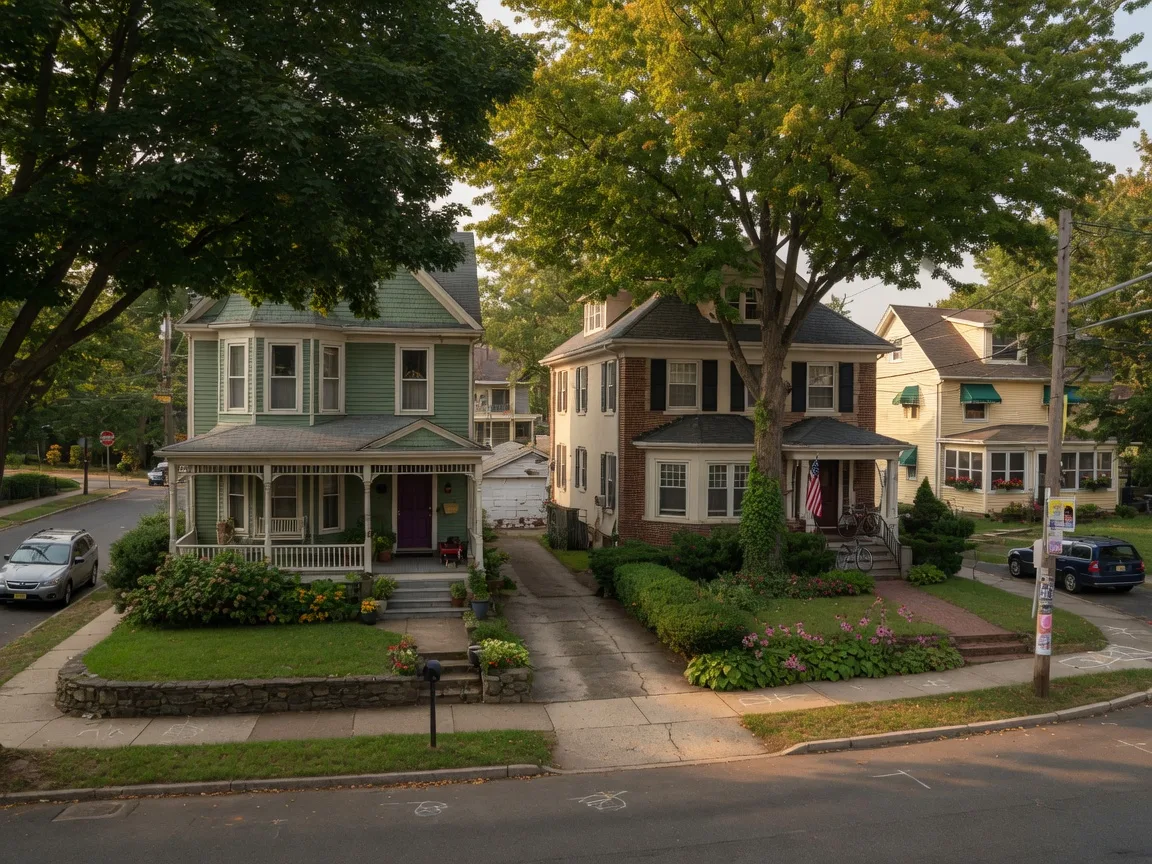
On May 5, 2026, the Montclair Township Council voted 4-2 to downzone a portion of the Fourth Ward near Bloomfield Avenue, capping building heights at a maximum of three stories. The decision was a significant moment for the town's ongoing debate about growth, housing affordability, and neighborhood character.
The downzoning limits the height of new construction in a section of the Fourth Ward that had previously allowed taller buildings. Supporters said the change would protect the character of the neighborhood and slow displacement as property values and rents continue to rise. Critics argued that limiting density would constrain the supply of "missing middle" housing -- the duplexes, triplexes, and small apartment buildings that provide more affordable options for moderate-income households.
What the downzoning actually does
Before the vote, parts of the Fourth Ward near Bloomfield Avenue allowed buildings up to four or five stories. The new rules cap height at three stories across the affected area. That may not sound like a big change, but in zoning terms it is meaningful. A three-story building is roughly 35 to 40 feet. Losing those extra stories reduces the number of units a developer can build on any given lot, which changes the economics of new construction.
The affected area includes sections of the Fourth Ward adjacent to the Bloomfield Avenue commercial corridor -- a part of Montclair that has seen increasing development pressure as the town's overall housing market has tightened. The council vote followed months of community discussion, including public meetings where residents on both sides of the issue voiced strong opinions.
Why this matters for homeowners
If you own a home in or near the downzoned area, here is what the decision means:
- Neighborhood character preserved. The three-story height limit ensures that new construction will fit the scale of existing homes and buildings in the area. For homeowners who were concerned about a taller building going up next door, this provides some certainty.
- Potential property value impact. Limiting density can support property values by maintaining the desirability of the neighborhood. However, it can also limit the upside for homeowners who might have wanted to sell to a developer willing to pay a premium for a site zoned for higher density.
- Less new supply. Fewer new housing units in the Fourth Ward means the overall housing supply in Montclair will grow more slowly, which could keep upward pressure on prices in the neighborhood.
- Tax base implications. New development contributes to the municipal tax base. Limiting the scale of development could mean less new tax revenue, which may have implications for the town budget over the long term.
Why this matters for buyers
If you are considering buying a home in Montclair, particularly in the Fourth Ward, the downzoning is relevant to your decision:
- Housing supply will be tighter. With fewer new units being built, competition for existing homes in this area is likely to remain strong. That means prices may stay elevated and homes may sell quickly.
- Neighborhood stability. The downzoning provides some assurance that the character of the neighborhood will not change dramatically. For buyers who value the existing feel of the Fourth Ward, that is a positive.
- Affordability trade-offs. While the downzoning protects existing character, it also limits the creation of more affordable housing options in one of Montclair's more accessible neighborhoods near the Bloomfield Avenue commercial corridor.
The missing middle debate
The downzoning vote highlighted a tension that is playing out across Essex County and New Jersey. Many towns want to preserve the character of their existing neighborhoods, but the state's affordable housing mandates and rising demand for housing are creating pressure for more density.
"Missing middle" housing refers to building types that fall between single-family homes and large apartment towers -- duplexes, triplexes, fourplexes, courtyard apartments, and small apartment buildings. These are the kinds of buildings that were common in older neighborhoods built before World War II, and they tend to be more affordable than single-family homes while fitting into the fabric of existing neighborhoods.
The Fourth Ward downzoning reduces the potential for missing middle housing in the affected area. Critics of the decision argued that Montclair, which has some of the highest home prices in Essex County, cannot afford to limit the types of housing it allows. Supporters countered that taller buildings would change the feel of the neighborhood in ways that residents did not want.
The bigger picture for Montclair
The Fourth Ward downzoning is one piece of a larger conversation about housing in Montclair. The town has been grappling with record home prices (median home price now over $1.1 million), a school budget crisis, and affordable housing obligations from the state. The downzoning vote shows that the community is actively shaping how it wants to grow -- but it also shows how difficult those choices are.
I will be watching how this decision affects the Fourth Ward over the coming months and years. If you have questions about a specific property or neighborhood in Montclair, I am happy to talk through it.
The bottom line
The Fourth Ward downzoning is a meaningful change to Montclair's zoning map that limits building heights to three stories. For homeowners, it protects neighborhood character but may limit upside from development. For buyers, it means competition for existing homes will remain strong. Either way, it is a decision that will shape the Fourth Ward for years to come.
If you have questions about how this affects a property you are interested in, I am happy to help. No pressure -- just honest, local guidance.
Sources
This story is based on reporting by Montclair Local (May 2026) and Montclair Local (May 2026 analysis).
Have a tip about local development?
I cover local real estate and development news across Bloomfield, West Orange, Montclair, and Essex County. If you hear about new construction, zoning changes, or neighborhood issues, I'd love to hear about it.