Montclair's Master Plan: Planning Board Hosts Community Meetings on the Township's Future

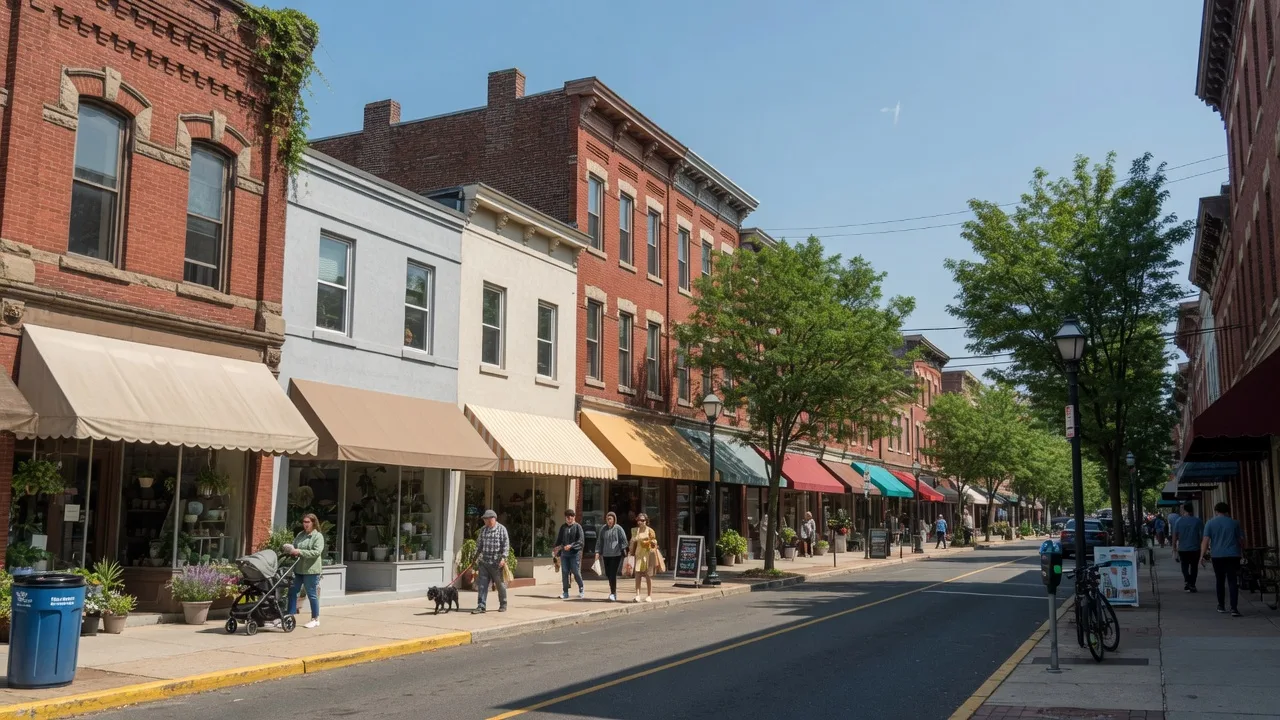
Montclair's Planning Board is launching a series of community meetings to gather resident input on the township's 2026 Master Plan Reexamination Report – a long-range planning document that will shape development priorities, zoning, housing policy, and infrastructure investment for years to come. If you own property in Montclair or you're thinking about buying here, this is one of those once-in-a-while planning moments that's worth paying attention to.
What is the Master Plan?
Every municipality in New Jersey is required to adopt a Master Plan – a comprehensive document that guides long-term decisions about land use, zoning, transportation, housing, conservation, and community facilities. Periodically, the Planning Board is required to reexamine the plan and determine whether updates are needed.
The Master Plan isn't a law or a zoning ordinance – it's a policy framework. But it carries real weight because it guides future zoning changes, development approvals, and capital investments. When a township updates its Master Plan, it signals to developers, homebuyers, and residents what direction the community is headed.
What's happening now?
The Montclair Planning Board is hosting four ward-based community meetings where residents can provide input on the 2026 Master Plan Reexamination Report. The meetings are designed to gather feedback on what residents want for Montclair's future – from housing and development to transportation, parks, and public services.
Here's the schedule:
- Third Ward: July 15, 2026 (completed) – Montclair Municipal Building, 205 Claremont Ave
- Fourth Ward: July 29, 2026 – Montclair Fire Headquarters, 1 Pine St, 6:30–8:30 p.m.
- First Ward: August 5, 2026 – Bellevue Branch Library, 185 Bellevue Ave, 6:30–8:30 p.m.
- Second Ward: Early August 2026 (date TBD)
All meetings include a public question-and-answer session, and residents from any ward are welcome to attend any meeting. You don't have to attend only the meeting in your ward.
Why does this matter for homeowners?
The Master Plan is the blueprint that guides how Montclair grows and changes. When it's updated, it can affect:
- Zoning and density. Changes to the Master Plan can lead to rezoning – which affects what can be built where, and how dense development can be. This directly impacts neighborhood character and property values.
- Housing policy. Montclair is actively working on its Fourth Round affordable housing obligations (2025–2035), and the Master Plan will guide how and where new housing – including affordable units – gets built.
- Transportation and infrastructure. Plans for roads, bike lanes, transit connections, and pedestrian improvements often flow from Master Plan priorities.
- Commercial and downtown development. The Master Plan shapes how the township approaches business district revitalization, mixed-use development, and commercial zoning.
- Conservation and open space. How Montclair protects parks, green space, and tree canopy is guided by Master Plan policies.
In practical terms, if you own property near a site that could be rezoned for higher density, or in a neighborhood that might see new development pressures, the Master Plan update is where those conversations start.
The context: what's already happening in Montclair
This Master Plan reexamination comes at a particularly active moment for Montclair:
- The Lackawanna Plaza redevelopment – 300 units, commercial space, and a new supermarket near the train station – was approved with a 30-year tax deal in July.
- The Fourth Ward was downzoned to limit building heights to three stories amid gentrification and displacement concerns.
- Affordable housing obligations for 2025–2035 are being planned, with multiple township-owned and commercial sites identified for potential development.
- A school budget referendum was decided by just 13 votes, highlighting the tension between funding needs and taxpayer burden.
The Master Plan reexamination will set the framework for how Montclair navigates all of these issues – and potentially others that haven't surfaced yet – over the coming years.
What this means for buyers
If you're thinking about buying in Montclair, the Master Plan update is worth understanding because it signals the direction of future development. A township that updates its Master Plan to prioritize transit-oriented development, for example, is likely to see more density near train stations. One that emphasizes conservation will protect existing neighborhood character.
The community input process is also a signal of how engaged the township is. Montclair residents tend to be vocal and well-informed – and these meetings are where they shape the conversation. For buyers, that level of community involvement is generally a positive sign.
The bottom line
Montclair's Master Plan reexamination is a planning process that happens every decade or so – and it shapes the long-term trajectory of the township. If you care about what gets built, where, and how, these community meetings are your chance to weigh in.
I'll be following the Master Plan process as it unfolds. If you have questions about how it might affect a specific property or neighborhood, I'm always happy to talk through it.
Sources
This story is based on reporting by Montclair Local (July 2026) and the Montclair Planning Board meeting schedule.
Have a tip about local development?
I cover local real estate and development news across Bloomfield, West Orange, Montclair, and Essex County. If you hear about new construction, zoning changes, or neighborhood issues, I'd love to hear about it.