Montclair School Board Hires Firm to Investigate $19.6M Deficit as Budget Crisis Deepens

This is a developing story. The forensic audit results are expected in the coming months and will be updated here as new information becomes available. This article is part of an ongoing series covering Montclair's school budget crisis.
Positive development: The Montclair Public Schools district closed the 2025-2026 fiscal year with a $1 million surplus, a significant turn-around after the $19.6 million deficit that triggered the forensic audit. The surplus was reported at the August 7 Board of Education meeting. While the surplus is welcome news, the district still faces long-term structural budget challenges and the forensic audit continues. Read the full update below.
The Montclair Board of Education voted to authorize up to $250,000 for a forensic audit by the accounting firm EisnerAmper to investigate the district's $19.6 million budget shortfall. The vote, taken in early August 2026, marks a significant escalation in the district's efforts to understand how a deficit of this magnitude developed and whether any financial mismanagement or irregularities contributed to it.
For Montclair homeowners, the investigation is the latest chapter in a budget crisis that has already led to a one-time tax increase, the elimination of 32 teaching positions, cuts to freshman sports, and the end of a long-standing tuition-free enrollment benefit for staff members' nonresident children. The outcome of the forensic audit could have implications for future tax proposals, district leadership, and the community's confidence in its schools.
What the forensic audit covers
According to the board's resolution, EisnerAmper will conduct a comprehensive review of the district's financial records, including:
- An analysis of how the $19.6 million deficit accumulated over recent fiscal years
- A review of internal financial controls and procedures
- An examination of any transactions or practices that may have contributed to the shortfall
- Recommendations for preventing similar deficits in the future
The firm was selected through a competitive bidding process and was one of several firms that submitted proposals. The $250,000 authorization represents a significant investment in understanding the district's financial challenges, but it is a fraction of the $19.6 million gap the district is trying to address.
New legal counsel and board dynamics
In a separate but related development, the school board quietly brought on new legal counsel in August. Perry Lattiboudere and his firm were awarded a one-year contract after beating out six other bidders for the role. The change in legal representation comes as the district faces potential legal challenges related to its financial situation, including questions about state intervention and compliance with school funding regulations.
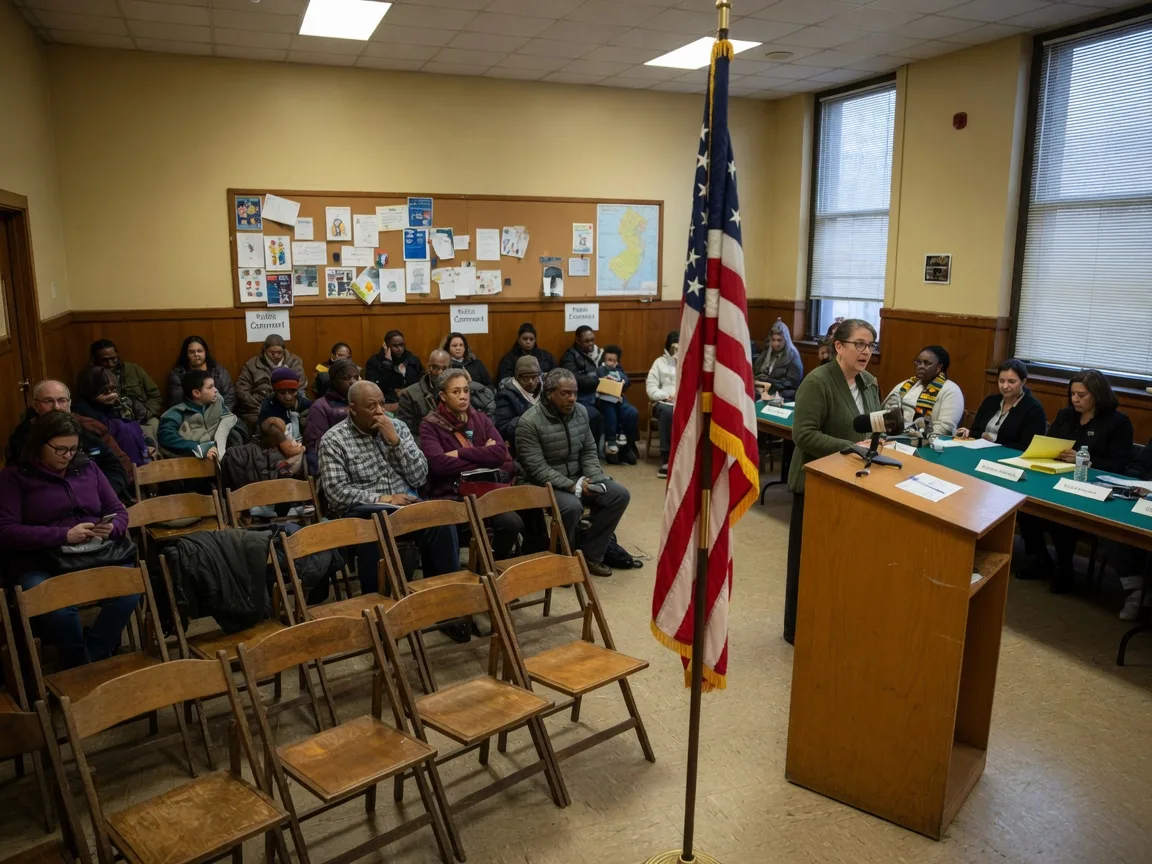
The board has also seen significant turnover and tension in recent months. The budget crisis has been a deeply divisive issue in Montclair, with community members packing school board meetings, protesting staff cuts, and demanding accountability from district leadership. The forensic audit and the new legal counsel are seen by many as steps toward rebuilding trust with the community, though others question why the financial issues were not caught earlier through regular oversight.
How we got here: a timeline
Understanding the current investigation requires looking back at how the district arrived at this point:
- March 2026: Montclair voters approved a one-time $1,117 tax increase (Question 1) but rejected a permanent annual levy (Question 2) by just 13 votes. The split verdict left the district with a partial funding solution and no recurring revenue to address ongoing deficits.
- Spring 2026: The district adopted a $179.4 million budget that included 32 teaching position eliminations and cuts to freshman sports. Community protests followed.
- July 2026: The district ended its long-standing tuition-free enrollment benefit for staff members' nonresident children, a move that saved money but drew criticism from affected families.
- Projections: The district's financial outlook shows potential new deficits of up to $25 million by 2030 if structural changes are not made.
The forensic audit is intended to help the board understand whether the deficit is the result of broader structural issues, specific management failures, or a combination of both.
Update: August 2026 - District closes fiscal year with $1M surplus
In a significant positive development, the Montclair Public Schools district reported on August 7, 2026 that it closed the 2025-2026 fiscal year with a $1 million surplus. This turn-around comes just weeks after the board authorized the $250,000 forensic audit and follows months of intense public scrutiny, budget cuts, and community concern about the district's financial stability.
The surplus was driven by a combination of factors according to district officials: tighter spending controls implemented after the deficit was discovered, savings from the 32 teaching positions that were eliminated, the end of the tuition-free enrollment benefit for staff members' nonresident children, and higher-than-expected state aid payments. The one-time $17.6 million referendum tax approved by voters in March 2026 also helped stabilize the district's cash flow.
The $1 million surplus does not mean the district's financial challenges are over. The forensic audit by EisnerAmper is still underway, and the district's long-term projections still show potential deficits in future years if structural changes are not made. But the surplus is an encouraging sign that the district's cost-cutting measures and the community's tax investment are beginning to have an effect.
For homeowners and buyers, the surplus is a meaningful signal. It suggests that the district is taking its financial responsibilities seriously and that the worst of the crisis may be behind it. School quality remains one of the most important drivers of property values in Montclair, and a district that demonstrates fiscal discipline is better positioned to maintain the educational programs that make the town attractive to buyers.
I will continue to follow this story as the forensic audit results come in and the 2027-2028 budget process gets underway. If you have questions about how Montclair's school finances affect the housing market, I am here to help with honest, straightforward information.
What this means for homeowners
If you own a home in Montclair, the school budget crisis has several practical implications:
- Potential for additional tax measures. The one-time tax increase from Question 1 covers only part of the deficit. If the district's financial situation does not improve, future tax proposals are possible. The forensic audit results may influence what form those proposals take.
- School quality concerns. Staff reductions and program cuts affect the quality of education, which is one of the most significant drivers of property values in Montclair. The district's ability to stabilize its finances and maintain high-quality programs will be an important factor for homeowners and buyers to watch.
- Community engagement matters. The 13-vote margin on Question 2 showed how closely divided Montclair is on school funding. Board meetings, public hearings, and future elections will shape the district's path forward.
- State intervention is possible. If the district cannot demonstrate a sustainable financial plan, state oversight or intervention is a real possibility. This could limit local control over budgeting and policy decisions.
What this means for buyers
Montclair's housing market remains extraordinarily strong the township was just named #2 hottest place to buy a home in America but the school budget crisis is a factor worth understanding:
- The district's financial health affects school quality, and school quality affects property values. This is a long-term consideration, not an immediate one, but it matters.
- So far, the market has not cooled. Home sales continue at record pace and prices remain elevated. Buyer demand driven by NYC relocation, limited inventory, and Montclair's lifestyle appeal continues to outweigh fiscal concerns.
- If you are buying with school-age children, it is worth asking questions about which programs and services are affected by the budget cuts and how the district plans to maintain quality through this period.
I always encourage buyers to understand the full picture of a community not just the market data, but the civic and fiscal trends that shape it. Montclair is an incredible town with real challenges, and being informed about both is part of making a confident decision.
What to watch next
Several developments are worth tracking over the coming months:
- The forensic audit results, expected within the next few months, could reveal specific findings about how the deficit occurred.
- The board's new legal counsel may play a role in navigating potential state intervention or legal challenges.
- The district's 2027-2028 budget process, which will signal whether the financial situation is stabilizing or worsening.
- Any future tax referendum proposals, which would require voter approval.
I will continue to update this story as new information becomes available. If you have questions about how the school budget situation affects your home's value or your plans to buy or sell in Montclair, I am here to help with honest, straightforward information.
Sources
This story is based on reporting by Montclair Local (Aug 6, 2026), Montclair Local (New Legal Counsel) (Aug 11, 2026), and additional context from the Board of Education's public meetings and public records.
Have a tip about local development?
I cover local real estate and development news across Bloomfield, West Orange, Montclair, and Essex County. If you hear about new construction, zoning changes, or neighborhood issues, I would love to hear about it.