Montclair Schools Introduce New AI and Technology Policies: What Families Should Know

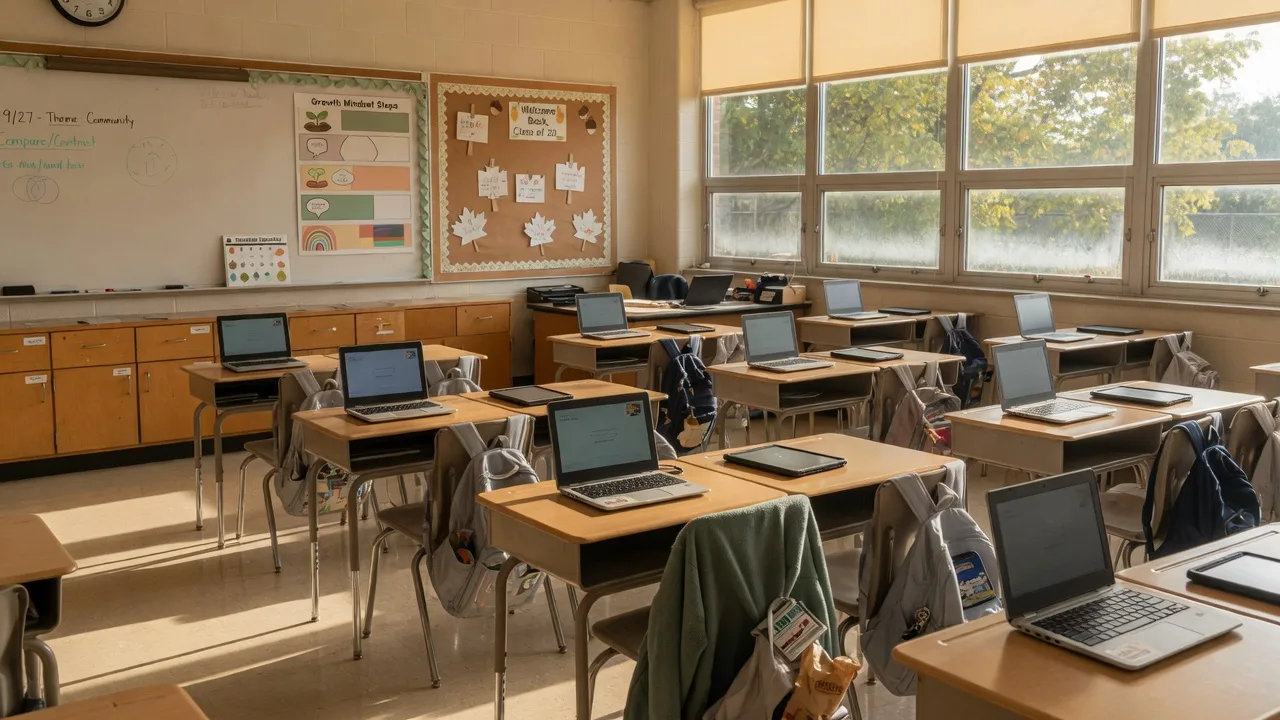
Montclair's Board of Education introduced two new policies at its September 28, 2026 meeting that spell out how students may use AI tools, Chromebooks, and other technology in the classroom. The rules are a formal step after a district survey showed parents, students, and staff are uneasy about generative AI and classroom tech, and they build on the district's August guidance that sharply limited Chromebook use for the youngest students. Here is what the policies do and what they mean for families weighing Montclair schools.
This is the kind of school board decision that rarely shows up on a listing sheet, but it tells buyers a lot about how a district is run. School quality and day-to-day classroom experience are among the biggest drivers of where families choose to live in Essex County, and how a district handles screens and AI is now part of that conversation.
What the new policies cover
The board introduced two companion policies, both of which were amended and approved for first reading at the district's September 16 workshop meeting:
- E. 2360, Use of Technology. This is the district-wide rule for classroom technology, covering Chromebooks, tablets, and other devices. It sets expectations for when devices are used during instruction and puts the responsibility on teachers to actively monitor student engagement during device time.
- F. 2365, Acceptable Use of Generative AI. This defines what counts as generative AI (tools that create new text, images, videos, or music from prompts) and sets the rules for when and how students can use those tools for schoolwork. It is the district's first policy specifically written for generative AI.
The policies come after the district announced in August that students in kindergarten through second grade may use Chromebooks only for district-approved assessments, state testing, or technology-specific courses. Taken together, the moves signal a deliberate, screen-careful direction for Montclair schools at a moment when many districts are still figuring out their AI rules on the fly.
Why now
The district says the policies were developed after a survey showed genuine unease among parents, students, and staff about how much AI and ed-tech was being used in classrooms. That survey-driven approach is worth noting: Montclair is responding to what its own community is asking for, rather than copying another district's template.
The move also aligns with the broader statewide shift. New Jersey's S-3695 restricts students to school-issued devices during school hours, and the bell-to-bell cell phone law took effect with this school year, with West Essex Regional updating its own device policy this summer. Montclair's new AI and technology rules fit into that same tightening pattern.
What this means for families and buyers
- A thoughtful district signal. Districts that write clear, community-informed policies around new technology tend to be the same districts that plan carefully on other fronts. For out-of-state and NYC movers, that is a meaningful quality signal about how the town governs its schools.
- The classroom experience changes. Less passive screen time and clearer AI guardrails can mean more discussion-based teaching, more teacher attention, and less guesswork for parents about what is and is not allowed.
- Questions to ask on a school tour. If you are looking at Montclair homes, a fair question for the district is how these policies will be enforced and how teachers are being trained to implement them. Good answers are a sign the plan is more than paper.
What to watch next
The policies must move through public comment and a final adoption vote at a future board meeting before they are official, so watch the Board of Education agenda for the second reading. It is also worth watching whether the enforcement details hold up in practice, and whether neighboring districts follow Montclair's lead, the way they did with the earlier Chromebook limits and the statewide phone rules.
The bottom line
Montclair is taking a careful, community-informed approach to AI and classroom technology, and that is a reasonable sign for families who care about how their kids spend the school day. School policy stories like this rarely move prices on their own, but they shape perception, and perception is part of what makes a town feel like home.
If you are comparing Essex County schools and neighborhoods and want an honest read on which town fits your family, I am happy to walk through it with you. No pressure, just local perspective.
Sources
This story is based on reporting by Montclair Local (September 28, 2026), Montclair Public Schools board meeting records, and earlier Montclair Local coverage of the Chromebook limits.
Last verified: September 29, 2026. The Board of Education introduced the two policies at its September 28 meeting, following amended first readings approved at the September 16 workshop.
Have a tip about local development?
I cover local real estate and development news across Bloomfield, West Orange, Montclair, and Essex County. If you hear about new construction, zoning changes, or neighborhood issues, I would love to hear about it.