EPA Takes a 'Huge Step' on Passaic River Cleanup: $125M Settlement Moves Dredging Forward

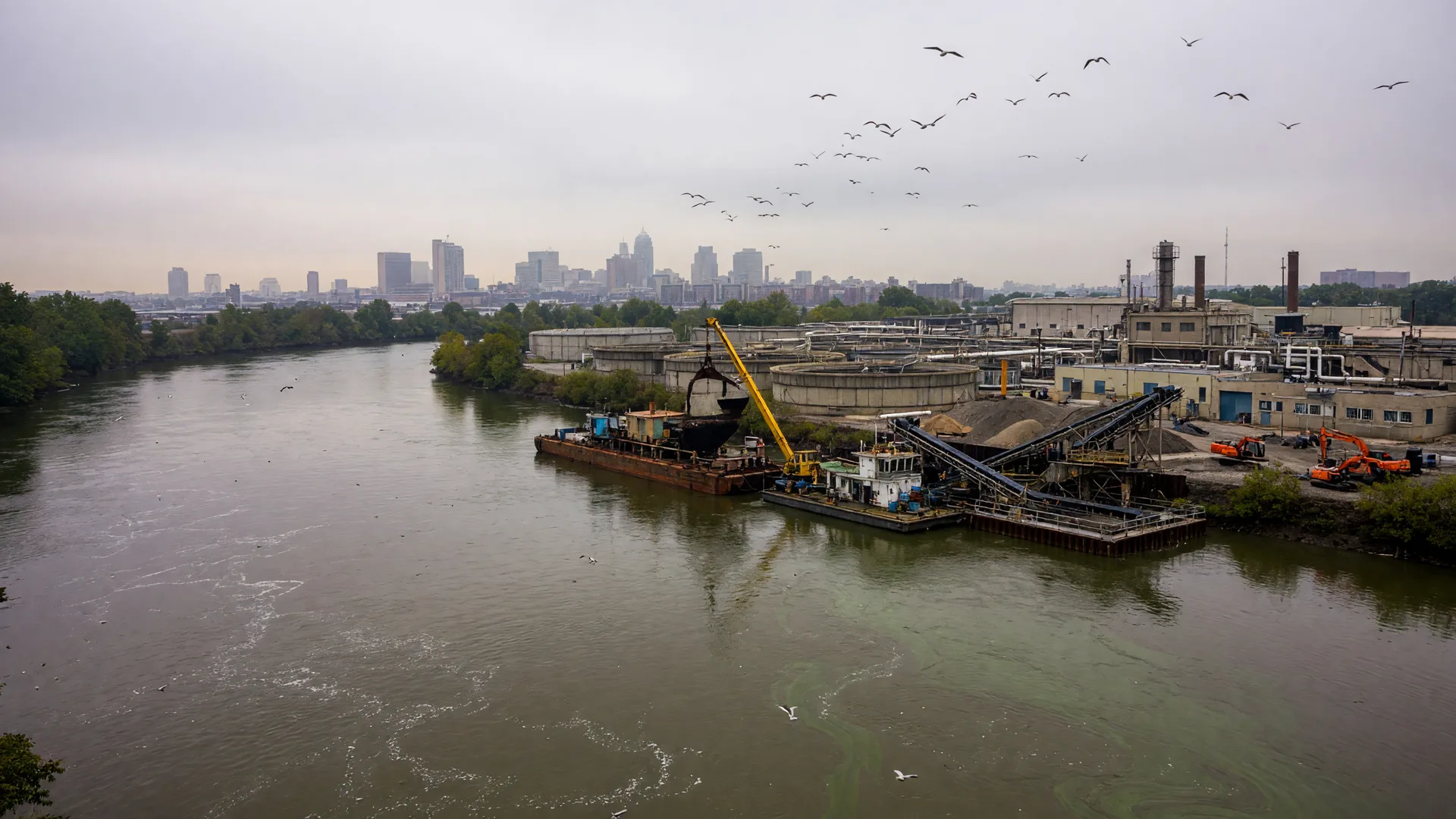
The EPA and the U.S. Department of Justice announced a proposed $125 million settlement in mid-September 2026 that funds the first physical construction work at the Diamond Alkali Superfund site on the lower Passaic River, one of New Jersey's most complex environmental cleanup projects. The agreement moves a cleanup that has been stalled for decades from planning into construction, which matters to homeowners across Essex County because the river borders communities from Newark and Belleville up through Bloomfield's stretch of the watershed. Here is what the settlement does and what it means for property values, quality of life, and buyers.
What the $125 million settlement does
Under the proposed consent decree, Environmental Resource Holdings LLC, a subsidiary of Houston-based Occidental Petroleum, would build an upland sediment processing plant and support facilities that enable the dredging and capping of contaminated sediment across the lower 17 miles of the river. The main water treatment and sediment processing plant would sit in Newark on Doremus Avenue, adjacent to the Passaic Valley Sewerage Commission plant.
EPA Regional Administrator Michael Martucci called it "a huge step in cleaning up one of New Jersey's most complex Superfund sites" that "gets shovels in the ground and lays the foundation for dredging." The first phase of dredging would remove about 3.5 million cubic yards of contaminated sediment bank-to-bank from Newark Bay up to the Belleville-Newark border, with the full study area extending into the upper river reaches that touch Bloomfield's side of the watershed.
Why this is a decades-in-the-making story
The Diamond Alkali site is associated with dioxin contamination from decades of past industrial activity, and the lower Passaic has been the subject of federal cleanup planning for years. Residents along the river have lived with the discouragement about contaminated sediment and health warnings about eating fish caught in those waters. The new settlement is the step that turns long-promised cleanup into actual construction, and community groups in Newark, including the Ironbound Community Corporation, responded enthusiastically, with Newark Mayor Ras J. Baraka thanking the advocates who pushed for progress.
That local reaction matters for one simple reason: communities tend to value progress like this more than headlines suggest, and it is a reminder that environmental restoration is a long game for any riverfront town.
What it means for homeowners and buyers
For anyone living near the river or considering a home in the affected areas, the settlement is a positive long-term signal. A cleaner river improves quality of life, supports fishing and recreation (once it is safe), and removes a stigma that has hung over riverfront neighborhoods for decades. It can also matter for insurance and flood-zone conversations, since river health and flood management increasingly factor into how people evaluate a property.
The honest caveat is timing. This is a proposed settlement, and actual dredging and capping will take years to complete across a 17-mile stretch. Homebuyers should not expect overnight change, but the direction is meaningful: the largest cleanup project on the lower Passaic is finally moving from paper to equipment.
The bottom line
The $125 million EPA settlement is a genuine milestone for the lower Passaic River, funding the first physical construction in a cleanup that will eventually dredge millions of cubic yards of contaminated sediment. For Essex County homeowners and buyers, especially anyone near the river's edge, it is a long-term quality-of-life positive that is worth tracking, even if the visible results come gradually. If you are comparing towns along the river or have questions about flood zones, environmental history, or how this kind of long-term investment factors into a home purchase, I am happy to talk it through.
Sources
This story is based on the Patch (Newark) report on the cleanup milestone (September 15, 2026), the EPA's proposed settlement announcement, Gothamist's coverage, and WDHA's report (September 17, 2026).
Last verified: September 25, 2026. The proposed $125 million settlement was announced in mid-September 2026 and is subject to public comment and court approval; first-phase dredging would cover about 3.5 million cubic yards from Newark Bay to the Belleville-Newark border.
Have a tip about local development?
I cover local real estate and development news across Bloomfield, West Orange, Montclair, and Essex County. If you hear about new construction, zoning changes, or neighborhood issues, I would love to hear about it.