Why Some Bloomfield & West Orange Homes Sell Over Asking and Others Don't
By Sorelle Crooks, Realtor® | Real Broker LLC | NJ License #2185837
Published October 20, 2026
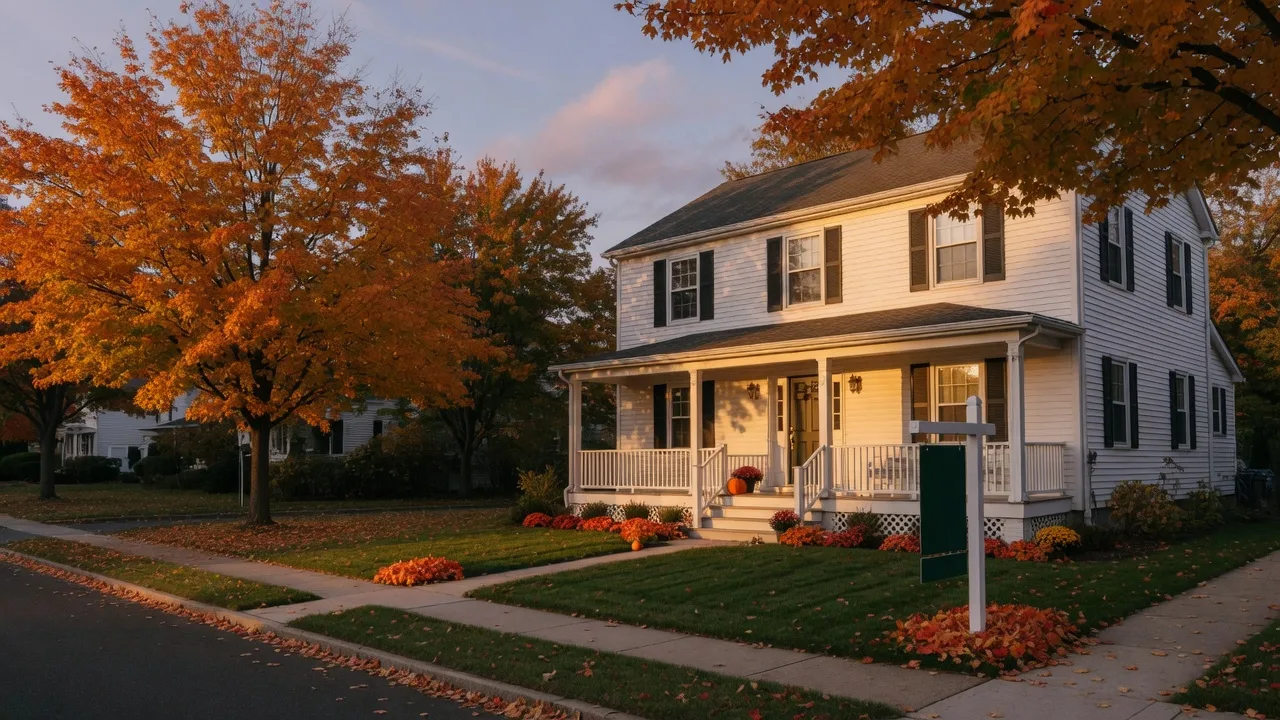
If you follow Essex County real estate at all, you have heard that Bloomfield and West Orange homes routinely sell above asking. That is true, and I have written it myself many times. But here is the honest, less comfortable truth that helps sellers far more: the over-asking premium is earned, not automatic. In the same town, on the same street, one home can close 10% above list with seven offers while a similar home sits for weeks and eventually takes a price cut. The difference is not luck, and it is not the market. It is a handful of things sellers actually control, and this guide walks through each one so your listing is the one that earns the premium.
The realistic baseline matters first: a turnkey single-family home in good condition still starts around $625K in Bloomfield and $600K in West Orange, and well-priced homes still close roughly 6 to 12 percent over list. But notice the phrase "in good condition." That bar is where the gap between over-asking sales and sitting listings begins, and it is the best place to start understanding why outcomes differ.
- 1.The premium is earned, not automatic. The same town and street can produce a 10% over-asking sale and a sitting listing. The difference is condition, pricing, and first-weekend execution, all of which a seller controls.
- 2.List price is strategy, not value. A home realistically worth $650K that lists at $599K pulls buyers searching up to $600K, $650K, and $700K. List at value plus 10% and you lose the pool that creates the competition.
- 3.The condition bar is real. The $625K+ Bloomfield and $600K+ West Orange floors are for good-condition homes. Fixers and dated homes trade at or below realistic value, which is honest, and pricing for it is smart.
- 4.At 7% rates, the appraisal is the quiet partner. Over-asking sales need the appraisal to confirm the final number, so the strategy price has to leave room. That is why anchoring to real comps matters more than ever.
Where the market stood on October 20, 2026
Before we talk about why outcomes differ, here is the freshest picture for both towns. It is the same data I use when I sit down with a seller, and it should set your baseline expectations honestly.
Bloomfield 07003, October 20, 2026
- Median sale price: roughly $668K on Redfin's rolling data, with RealtyTrac's September read near $683K (up about 5.5% year over year)
- Sale-to-list ratio: about 110% to 112%, meaning well-priced homes close roughly 10% to 12% above list
- Competition: about seven offers per well-priced listing, hottest in Brookdale, Demarest, and the streets near the stations
- Realistic single-family floor: $625K+ in good condition
West Orange 07052, October 20, 2026
- Median sale price: about $656K to $668K on Redfin's rolling data, with Resideline's median across 300+ closings near $659K
- Average home value: about $702K on Zillow, up roughly 9.4% year over year
- Sale-to-list: well-priced homes close about 7% to 9% over list, and hot homes near Eagle Rock and the reservations can run 18% or more above list
- Competition: about six offers per listing, with most homes going to pending in about 17 to 25 days
- Realistic single-family floor: $600K+ in good condition
Countywide, Essex County single-family inventory sits at roughly two months of supply, buyers paid an average of about 109% of list price in the most recent county data, and the county is repeatedly cited as the most competitive bidding market in New Jersey. For context, Montclair starts around $900K for a turnkey single-family and can reach into the millions. The demand is not the variable. What separates the outcomes is how each listing shows up on day one.
The spread is the story: same street, different results
In Bloomfield this year, a home on Garrabrant Avenue listed at $799K and closed at $960K, about 20 percent over list. A home on 13-15 Smith Street listed at $750K and sold for $850K, about 13 percent over list. Both were single-family homes in good condition, priced to pull a wide pool, and marketed for a competitive first weekend. Those are the over-asking outcomes.
The other side of the story, the one sellers hear less often, is that not every listing does this. A dated home that needs a new roof, a home whose photos are dark and cluttered, a home priced from what the owner "needs to get" instead of from the comps, all of these sit longer, draw fewer offers, and sometimes end in a price cut. In the same market, with the same buyer demand. The premium does not fall on every listing. It is collected by the listings that earn it, and that is actually good news, because it means the outcome is mostly in your control.
Why pricing strategy matters more than any other decision
The single biggest reason two similar homes produce different results is the list price, and it is worth saying clearly: in Bloomfield and West Orange, list prices are strategy, not a ceiling. The sale-to-list numbers above exist because sellers set a strategy price designed to pull the widest buyer pool, and competition pushes the final number above it. A home realistically worth $650K that lists at $599K gets seen by every buyer searching up to $600K, up to $650K, and up to $700K. The first-weekend tours become the offers, and the offers become the premium.
Here is the honest caveat, and it is why this strategy only works when it is done carefully: list-low-sell-high is not an excuse to set a $625K home at $549K and hope. At 7% rates, every over-asking sale depends on the appraisal confirming the final number. If the list price is anchored to real comps and leaves room for the appraisal, the premium holds. If the strategy price is a guess, the deal can stall at the appraisal and the seller either accepts less or watches the buyer walk. That is exactly why I recommend pricing from closed comps within half a mile of your home, adjusted for section, condition, updates, and lot, before choosing a single number.
One more trap worth naming, because sellers ask me about it constantly: if homes sell 10% over list, should you price 10% higher? No. The premium exists because the list price is low enough to pull a wide pool. List at value plus 10% and you lose the buyers searching up to the lower filter points, you lose the first-weekend competition, and you end up repricing later, which costs you the freshness that drives multiple offers. The strategy price and the final sale price are different numbers on purpose.
The list-low-sell-high dynamic, in one line
A home realistically worth $650K that lists at $599K pulls every buyer searching up to $600K, $650K, and $700K; the first weekend builds the competition, and the offers push the final number to $680K or more. The list price sets the pool. The market sets the result.
The five reasons a Bloomfield or West Orange listing underperforms
When a listing does not hit the premium, the cause is almost always one of these five, and each one has a fix.
1. The list price was set from a need, not from comps
The most emotional trap in selling: anchoring to "I need to get $X" instead of what the market supports. If the price is even a few percent above the realistic range, the home misses the buyers searching up to the realistic number, and the over-asking pool never forms. The fix is cold, current data: closed comps within half a mile, adjusted for condition, not portal medians and not what you remember from last spring.
2. The first weekend was wasted
The first weekend on the market is when the widest buyer pool sees your listing, and it is effectively the whole campaign for the over-asking outcome. A listing that launches with unfinished photos, no staging, no offer deadline, or on a weekend when buyers are otherwise engaged (Election Day weekend, the holiday lull) quietly loses the momentum that creates multiple offers. The fix is a real launch plan: photos, staging, an offer deadline, and a launch date that fits the town's rhythm.
3. The condition bar was missed
This is where "good condition" becomes a real number. Buyers pay premiums for homes that read as move-in ready, which is precisely why the $625K and $600K floors are condition-dependent. A home that needs a roof, has dated kitchens and bathrooms, or shows clutter in every photo reads as a project, and project buyers negotiate at or below realistic value. The fix is not a renovation. It is the high-ROI work: a deep clean, fresh neutral paint, updated cabinet fronts and hardware, and curb appeal, plus a pre-listing inspection for $400 to $600 so you know on your timeline what a buyer's inspector would find.
4. The buyer pool was too narrow
In this market, the buyers who drive the premium are often NYC-area relocators, and a listing that does not speak to them misses the deepest pool. That means photos that show the commute story, the lot, the light, and the lifestyle, not just the rooms, and copy that tells an NYC buyer why this town works. A listing photographed like a task list gets fewer tours and fewer offers than one that makes a buyer imagine their life there.
5. The timing ignored the town's rhythm
Bloomfield and West Orange have slightly different paces: West Orange homes already go to pending in about 17 to 25 days, while Bloomfield's hot sections move even faster. Listing into a compressed window, like mid-December, with no room to reprice, stacks the deck against you. The fix is to time the launch to the buyer pool that is actually active, and to know before you list whether you are targeting a pre-Thanksgiving close, a year-end close, or a spring 2027 launch, because each one changes your pricing strategy.
Seller tips by town: what earns the premium where you live
The prep work is a little different in each town, and doing the right version matters more than doing everything.
Bloomfield: price to pull the widest pool, section by section
Bloomfield is one of the most competitive single-family markets in the state on several measures, with about seven offers per well-priced listing and a sale-to-list ratio near 110% to 112%. In Brookdale, Demarest, and the streets near the stations, the strategy price should sit just under the round number buyers filter by, because every buyer searching up to that number lands on your listing and the over-asking premium does the rest.
The best ROI work stays simple and visible: fresh neutral paint, a deep clean, updated cabinet fronts and hardware, and a lawn that looks cared for. Skip the gut renovation before listing; a pre-listing inspection for $400 to $600 tells you what a buyer's inspector will find, on your timeline, for far less money. Timing note: if a 2026 close matters to you, the calendar is the only thing actually tight, with a pre-Thanksgiving window closing fast and a year-end launch working as late as mid-November.
West Orange: lead with the lot and the light
Roughly 85% of West Orange homes sell above their asking price, so the over-asking pattern is even more consistent here, and the market runs hottest near Pleasantdale, Gregory, and the hills beside Eagle Rock and South Mountain Reservations. Because so many West Orange buyers are NYC-area relocators drawn by the generous lots and the reservations, the yard and the natural light are the stars of your listing, and the staging should make both feel big.
Timing is the lever in West Orange: most homes go to pending in about 17 to 25 days, so there is still a real window to act before the holidays, and the full one-seat NYC commute returns on November 15 after the Portal Bridge cutover. With rates above 7%, price your strategy to leave room for the appraisal to confirm the final number, and let the free municipal jitney to the rail and the reservation views tell the story buyers are already sold on.
A quick diagnostic if your listing has not earned the premium yet
If your home is on the market right now and the over-asking outcome has not happened, or if you are deciding whether to launch at all, here is an honest self-check. Answer these four questions before you change anything:
Is the price anchored to this week's comps, or to a number you need?
If the answer is the latter, that is the first thing to fix. Portal medians lag and mix in condos and fixers; the closed sales within half a mile, adjusted for your section and condition, are the number that matters. My guide to reading comps like an agent walks through exactly how to do this yourself.
Did the first weekend get the full campaign?
Fresh photos, staging, an offer deadline, and a launch that fits the town's rhythm. If the launch was rushed, the momentum is gone and a reprice alone will not bring it back, which is why the launch plan has to be right before you go live, not after.
Does the home read as good condition from the first photo?
If the first impression is clutter, dated finishes, or deferred maintenance, buyers mentally discount the home before they ever walk in. The fix is not a renovation; it is the high-ROI prep that makes the home read as the good-condition home the $625K and $600K floors assume.
Is the appraisal going to confirm the sale?
At 7% rates, this is the quiet partner in every over-asking sale. If the strategy price does not leave room for the appraisal to confirm the final number, the premium is at risk regardless of how many offers come in. Price from real comps, and the appraisal becomes an ally instead of a risk.
Pricing heads-up: Well-priced homes across these Essex County towns routinely attract multiple offers and close above list. Mid-October 2026 reads: Bloomfield (07003) median sale price ~$619K (RealtyTrac September read nearer ~$683K), homes selling ~6-12% above list on average (single-family in good condition from ~$625K); West Orange (07052) median ~$656K, homes selling ~6-9% above list on average (single-family in good condition from ~$600K); Montclair (07042) median ~$1.2M-$1.3M, homes selling ~20-25% above list on average (single-family in good condition from ~$900K, into the millions in Upper Montclair). Inventory is limited in each ZIP, so prepared buyers who budget for the sale price rather than the list price are best positioned. Every situation is different. Let's talk through what the latest numbers mean for yours.
Questions sellers ask about the over-asking gap
"My home didn't get multiple offers. Is the market over?"
Probably not. Demand is still the strongest part of this market; the more likely reasons are price, condition, or first-weekend execution. The market is not what changed between the home down the street that sold over asking and yours. The listing strategy is. That is worth an honest second opinion before you conclude anything about the market.
"If homes sell 10% over list, should I list 10% higher?"
No. The premium exists because the list price is set low enough to pull a wide pool. List at value plus 10% and you lose the buyers searching up to the lower filter points, lose the first-weekend competition, and end up repricing later. The strategy price and the final sale price are different numbers on purpose.
"How much do I need to spend to earn the premium?"
Far less than you think, because the highest-ROI work is inexpensive. A deep clean, fresh neutral paint, updated cabinet fronts and hardware, and curb appeal routinely cost a few hundred to a couple thousand dollars and are what move the condition needle. A $30K kitchen remodel in this price range rarely returns its cost; a $500 paint job on a tired living room regularly does.
"Is it too late in the year to get the over-asking outcome?"
No, but the window is real and the strategy has to be sharper, not looser. A home that lists by the end of October can still close before Thanksgiving, and a mid-November listing can close by year-end, with the full one-seat commute story back in place after November 15. In a compressed window there is no room to reprice, so getting the price and the launch right on day one matters even more.
The short version: the over-asking premium in Bloomfield and West Orange is real, but it is not automatic. It is earned through a list price anchored to current comps, a home that clears the good-condition bar, and a first weekend that pulls the widest buyer pool. Realistic floors still hold at $625K+ for a turnkey single-family in Bloomfield and $600K+ in West Orange, with well-priced homes closing roughly 10 to 12 percent and 7 to 9 percent over list respectively. If you want your listing to be the one that earns the premium, start with a current, honest read on your home, and build the strategy from there. Let's talk through what the latest numbers mean for yours, no pressure.
Want to know whether your home would earn the premium?
I will pull the closed comps within a quarter mile of your home, walk you through a realistic price range, and tell you honestly which of the five factors above is your biggest opportunity, whether you list this year or prepare for spring 2027. It is free, takes about thirty minutes, and there is no pressure to list. I want you to feel informed and comfortable, and that starts with a plan built on current numbers.
You Might Also Like